资讯
展览资讯 大型展会 灯光节 大型盛典 赛事 中标捷报 产品快讯 热门话题 艺术节 活动 演出 新闻 数艺报道 俱乐部签约
观点
大咖专访 观点洞察 书籍推荐 吐槽 设计观点 企业访谈 问答 趋势创新 论文 职场方法 薪资报价 数艺专访
幕后
幕后故事 团队访谈 经验分享 解密 评测 数艺访谈
干货
设计方案 策划方案 素材资源 教程 文案资源 PPT下载 入门宝典 作品合集 产品手册 电子书 项目对接
  • 0
  • 0
  • 0

分享

雷电所联合承办|格致实验——科技艺术与未来城市

11-06


2026年APEC会议在深圳举办期间,上海市静安 雷电所 跨媒介艺术中心作为承办单位,参与呈现“格致实验——科技艺术与未来城市”。展览于11月6日在深圳关山月美术馆开幕。雷电所 将机构在科技艺术领域积累的策展经验与制作能力,整体投入这一以城市为尺度的实验。


展览信息

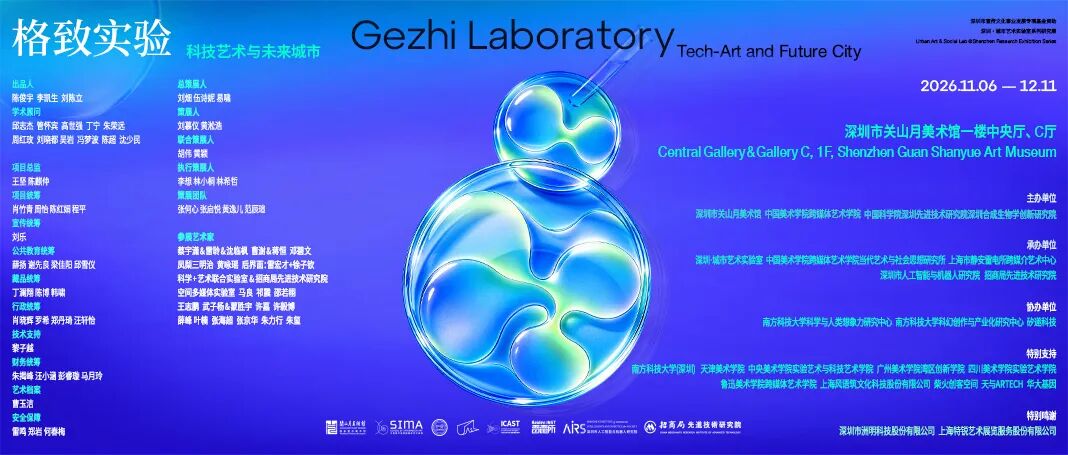
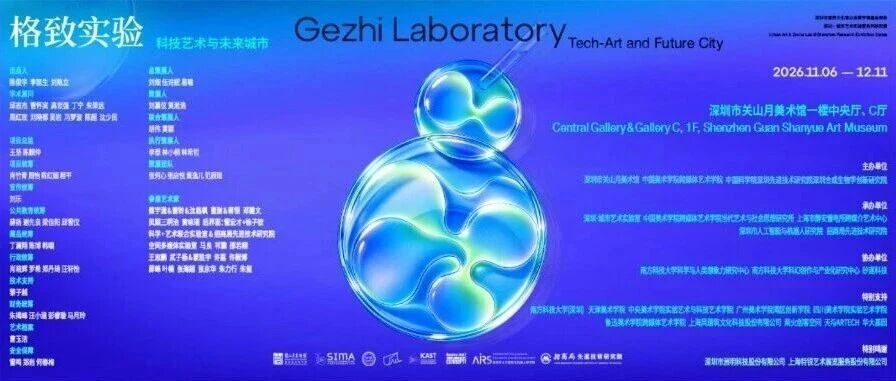
格致实验——科技艺术与未来城市

Gezhi Laboratory: Tech-Art and Future City

深圳·城市艺术实验室系列研究展

Urban Art & Social Lab @Shenzhen: Research Exhibition Series

展期:2026年11月6日—12月11日

Duration : November 6—December 11, 2026

展览地点:深圳市关山月美术馆一楼中央厅、C厅

Venue: Central Hall and Hall C, 1F, Shenzhen Guan Shanyue Art Museum


展览视频


“格致实验——科技艺术与未来城市”(Gezhi Laboratory: Tech-Art and Future City)是深圳市关山月美术馆联合中国美术学院跨媒体艺术学院于2026年共同发起“深圳・城市艺术实验室”(Urban Art & Social Lab @Shenzhen)之后举办的首个展览。

通过建立“美术馆 ✕ 美术学院”的平台结构,“深圳・城市艺术实验室”为自己设置的核心命题是:扎根深圳这座先行城市、前沿现场,研发基于深圳城市特质的“城市艺术”,并依此构造了“未来城市 ✕ 艺术—科研—科幻”的长期实践框架。

本次展览并置“格致”与“实验”两大核心概念,并将其置于“科技艺术”与“未来城市”的语境,以及中西方文明互鉴的广阔背景之下展开探讨。“格致”源自儒家传统的“格物致知”(出自“四书”中的《大学》),但它又在近世的西学东渐中,成为“科学 / Science”进入中文世界的早期对应词——这便连向了“实验”所代表的“科学革命”之后所形成的近现代世界观,直至今日,它仍是支撑现代生活的主导性认识论和方法论的基石之一。

然而,今日技术尤其是人工智能和生物科技的加速发展,也让脱离于人心与人性的纯粹实验室状态,日益面临着严峻的挑战。此时,本展览引入“格致”作为启发性的要素,既取其历史层积的丰富性,亦取其内在的未竟性:“格物致知”在与外界、外物的交互往还,形成内在的知识之后,导向的是“正心诚意”与“修齐治平”(修身、齐家、治国、平天下),它从来都牵连着个人的修养与社会的担当,穷理尽性以至于命,而非仅仅纯粹参数化的、与人无涉的技术状态。这种“道不远人”的世界观,将有助于我们拓宽对“实验”乃至世界和生活的理解,以及对未来图景的想象。

关山月美术馆自2023年开始,将数字产业、数字艺术、人工智能等前沿议题纳入学术视野,逐步构建起以“艺术+科技”的研究体系与学术品牌。此次“格致实验——科技艺术与未来城市”作为“深圳・城市艺术实验室系列研究项目”的首展,联合中国科学院深圳先进技术研究院深圳合成生物学创新研究院、深圳市人工智能与机器人研究院、招商局先进技术研究院、南方科技大学(深圳)、矽递科技、柴火创客空间、华大基因等深圳顶尖科研机构与标杆科创企业,正是这一学术脉络的集中呈现,尝试在深圳这一特定的城市语境中,激活一种以城市为方法、以未来为指向的深度思想实验。

放大到中国现场,2026年是“十五五”开局之年,中国在人工智能、量子科技、生物制造等前沿领域作出系统性部署,科技创新驱动文化生产的新格局正在形成。在这一背景下,“科技艺术”不仅是文化领域的议题,更成为打通“科学理性”与“人文感知”的实验场域。近年来,国家持续推动文化与科技深度融合,强调以数字化、信息化赋能文化建设,促进科技创新成果向文化领域转化应用,为文化与科技协同发展提供了重要的政策指引。这 一战略指引为艺术与科技的创新发展提供了明确的方向,也赋予了科技艺术更为深远的时代使命与问题意识:如何搭建起一个文化、科技、产业的多维互动框架,构造彼此交融、动态互促的长期良性循环?如何通过探索科艺融合的新路径,开发跨学科的新锐表达,并进一步推动科技与人文之间的共生共荣发展?


文/ 刘畑、伍诗妮、胡伟

深圳市关山月美术馆

中国美术学院跨媒体艺术学院

2026年10月


“Gezhi Laboratory: Tech-Art and Future City” is the first exhibition held after the “Urban Art & Social Lab @Shenzhen”, a joint initiative launched by Shenzhen Guan Shanyue Art Museum and the School of Intermedia Art, China Academy of Art, in 2026.

By building a platform bridging “art museum and art academy”, “Urban Art & Social Lab @Shenzhen” defines its core mission as rooting itself in Shenzhen, a pioneering city and frontier site, cultivating “urban art” on the basis of the urban characteristic of Shenzhen, and establishing a long-term practical framework known as “Future City × Art—Scientific Research—Sci-Fi”.

This exhibition brings the two core notions of “Gezhi” (investigation of things)and “Experiment” into juxtaposition in the context of “tech-art” and “future city” for extensive discussions against a broader backdrop of mutual exchanges between Eastern and Western civilizations. “Gezhi” derives from the Confucian idea of “Gewu Zhizhi” (from The Great Learning of the Four Books of Confucianism). During the modern influx of Western learning into China, the term also functioned as an early counterpart for “science” entering the Chinese vocabulary, which should be linked to the modern and contemporary worldview after the “Scientific Revolution” represented by “experiments”, a perspective that still stands as one of cornerstones supporting the prevailing epistemology and methodology of modern life to date.

However, the rapid technological advances today, particularly in artificial intelligence and biotechnology, pose profound challenges to the absolute state of a laboratory that detached from human minds and nature. At this point, the exhibition introduces the concept of “Gezhi” as an inspirational element, drawing on both its layered historical heritage and its inherent, untapped potential. The practice of “Gewu Zhizhi”—moving from engagement with the external world and deeds toward the formation of inner knowledge—leads us to the “uprightness and integrity” and “self-cultivation, regulating the family, governing the state, and bringing peace to all-under-heaven”, which is always bound to morality of individuals and the responsibility of the society, suggesting an exhaustive inquiry into principles and human nature to apprehend the mandate of existence, rather than a purely parametric technological regime decoupled from humanity. This worldview, which holds that the “Dao is never distant from human life”, would help expand our understanding of “experiments” and even of the world and life, alongside our visions of future.

Since 2023, Guan Shanyue Art Museum has integrated frontier themes, such as the digital industry, digital art, artificial intelligence, etc., into its academic agenda, gradually constructing a research system and academic brand anchored in “art + technology”. As the first exhibition of the “Urban Art & Social Lab @Shenzhen Research Project Series”, Gezhi Laboratory: Tech-Art and Future City offers a concentrated expression of this academic path, as a collaborative attempt with leading research institutions and benchmark technology enterprises in Shenzhen, including Shenzhen Institute of Synthetic Biology, Shenzhen Institutes of Advanced Technology, Chinese Academy of Sciences, Shenzhen Institute of Artificial Intelligence and Robotics for Society, China Merchants Research Institute of Advanced Technology, Southern University of Science and Technology (Shenzhen), Seeed Technology, Chaihuo MakerSpace, BGI Genomics, etc., to spark an in-depth idea experiment taking the city as its methodology and future as its orientation in this specific urban context of Shenzhen.

When it expands to the site of China, 2026 marks the first year of the “15th Five-Year Plan”, in which China is putting forward systematic strategies in frontier fields such as AI, quantum technology, biomanufacturing, etc., fostering a new landscape where cultural production will be driven by technological innovation. In this context, “tech-art” has become an experimental arena connecting “scientific rationality” and “humanistic perception” beyond a cultural topic. In recent years, China has continued to promote the deep integration of culture and technology, emphasizing the use of digital and information technologies to empower cultural development and facilitate the application of scientific and technological innovations in the cultural sector, thereby providing important policy guidance for the coordinated development of culture and technology. This guiding strategy provides a clear direction for the innovation development of art and technology, and endows tech-art with a profound era-oriented mission and awareness of such a question: how to build a multi-dimensional interactive framework connecting culture, technology and industry, and construct a long-term virtuous cycle in which they integrate and enhance one another in a dynamic manner? How can we explore new paths for tech-art integration to develop novel interdisciplinary expressions, and further advance the symbiotic and mutually beneficial development of technology and humanity?

By Liu Tian, Wu Shini, Hu Wei

Shenzhen Guan Shanyue Art Museum

the School of Intermedia Art, China Academy of Art

October 2026


作为一种“世界观的艺术”与“宇宙技术”,“山水”既是已经深入中国人心与日常的审美范式,也是传统中理解天地人关系的核心路径。而借助今天全新的数字技术进行“游观”,原有的观念与视觉的模式是否还能顺畅延续?“山水实验”正是围绕这一追问展开。山水意境、笔墨程式与现代技术理性之间的张力,构成了这批作品生长的土壤,也是我们重新凝视山水时无法忽略的问题。事实上,核心问题从不在于算法能否拟合山水之形,而是思考今日何为人与自然整体性关系的媒介。
As both an “art of worldview” and a “universal technique”, “shanshui” represents an aesthetic paradigm deeply rooted in the Chinese mind and everyday life, and a core traditional pathway for apprehending the triad of heaven, earth, and human. Can these long-established conceptual and visual modes persist without friction as we engage in “wandering and observation” through the cutting-edge digital technologies today? The “Shanshui Experiment” unfolds around precisely this question. The tension among the poetic imagery of shanshui, the pattern of brush-and-ink, and the rationality of modern technology forms the ground from which these works grow, and constitutes an issue we cannot afford to overlook when re-examining shanshui. In fact, the central question is not whether algorithms can replicate the forms of shanshui, but we should consider what serves as the medium for the holistic relationship between human and nature now?


蔡宇潇  Rhett Tsai

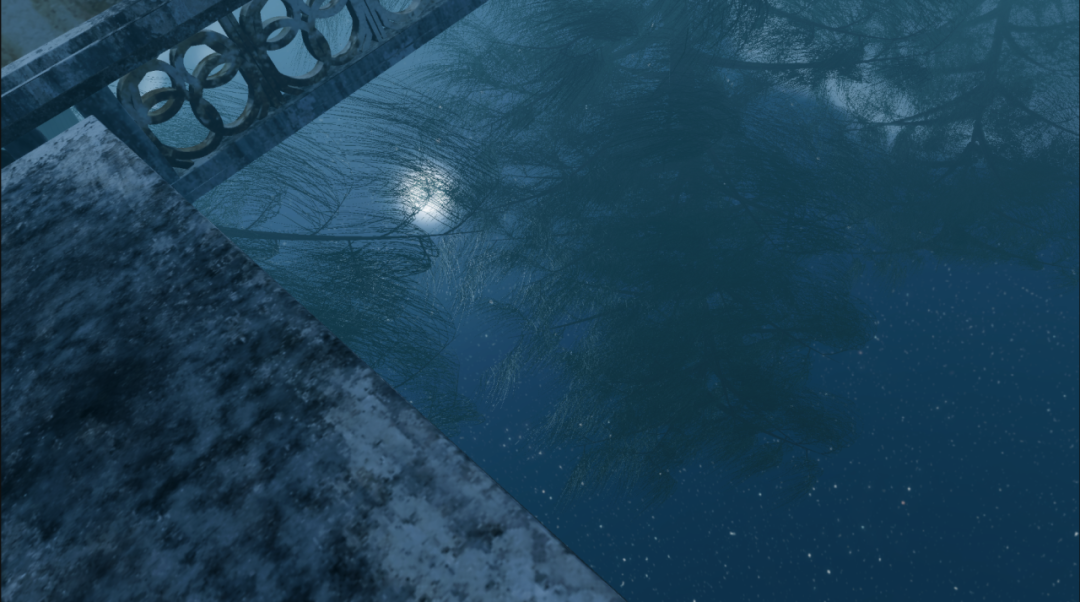
《绿风·显影》Green Wind: Phasma

新媒体艺术  New Media Art


沈临枫 雷聆 Shen Linfeng  Lei Ling

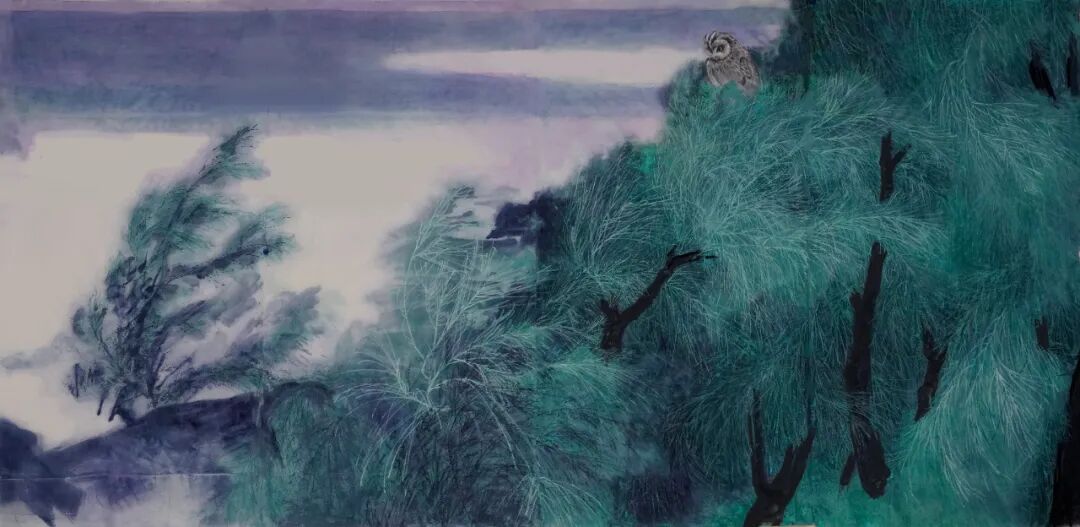
《绿风·无眠》Green Wind: Moon-Washed Nights

纸本设色  Ink and Color on paper

祁震 Qi Zhen

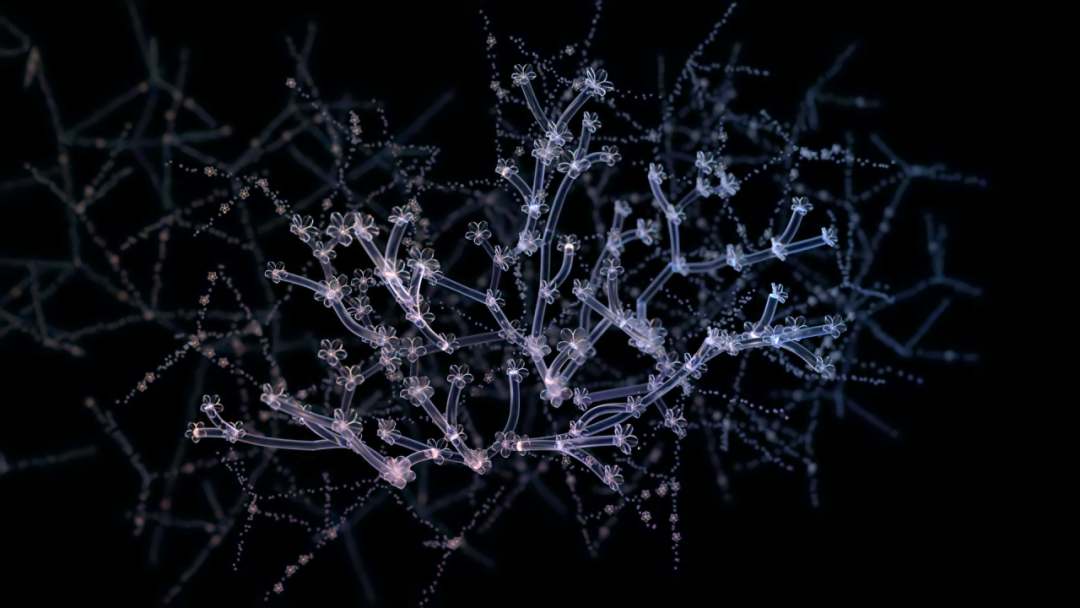
《未定之形》Undefined Form

影像装置 Video Installation

邵若栩 Shao Ruoxu

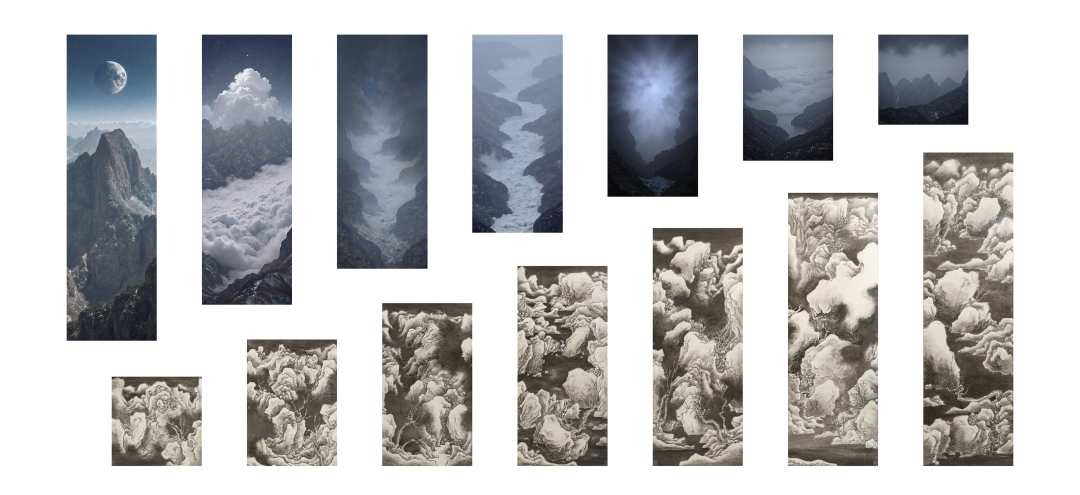
《与AI讨论七次“明月出天山”(之二)》

Seven Chats with AI about “From Heaven’s Peak

the Moon Rises Bright” (part Ⅱ)

纸本水墨,AI绘画  Ink on paper, AI-generated painting
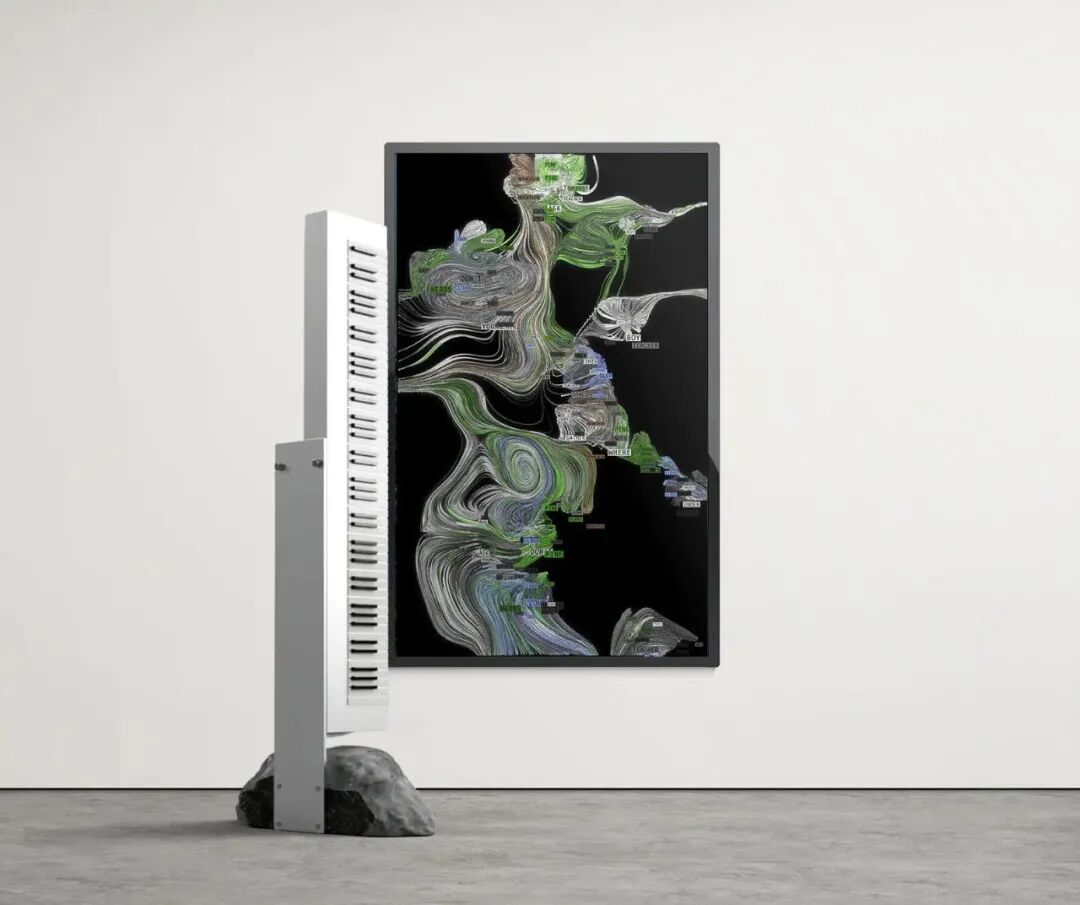

朱力行 Chu Henry

《松下石琴》Under Pine & Stone Piano

生成动画和雕塑 版次:1/8

Generative animation and sculpture Edition: 1/8


城市,是海量的个体聚变于动态的基础设施之上,它既是空间容器,也是众人生活的背景,更是一个持续生长、自我调节的活体系统。作为中国城市化发展的标杆性样本,今日之深圳有承担关于城市实验与城市想象之重任。此时此地,艺术将如何想象城市?基于一座独特的城市,又将产生什么样独特的艺术?这是深圳・城市艺术实验室的核心命题。而艺术的工作重点,或许并非直达精确收敛的施工图纸,而是打开若干松散的、“逸笔草草”的可能性。
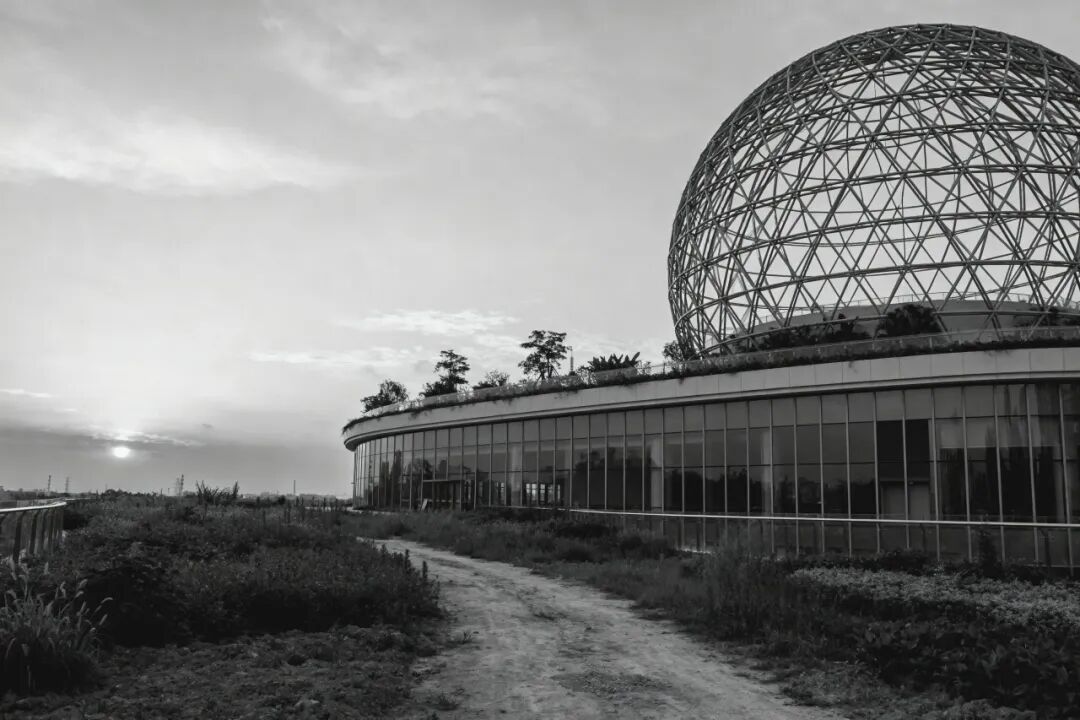

A city is a vast convergence of individuals upon the dynamic infrastructure, which functions as a spatial vessel and a backdrop for life of the crowd within, and further a living system characterized by continuous growth and self-regulation. As a benchmark of China’s urbanization, Shenzhen today bears the responsibility for urban experiments and imagination. How does art envision the city here and now? And how unique the art created here in this unique city can be? These are the core propositions of the Urban Art & Social Lab @Shenzhen. The practical focus of art here is not to get straight to the precise, finalized construction blueprints, but rather to unlock some loose, “spontaneous” possibilities.


张京华 Zhang Jinghua

《目之所及》As Far as the Eye Can See

多媒体互动装置  Multimedia interactive installation
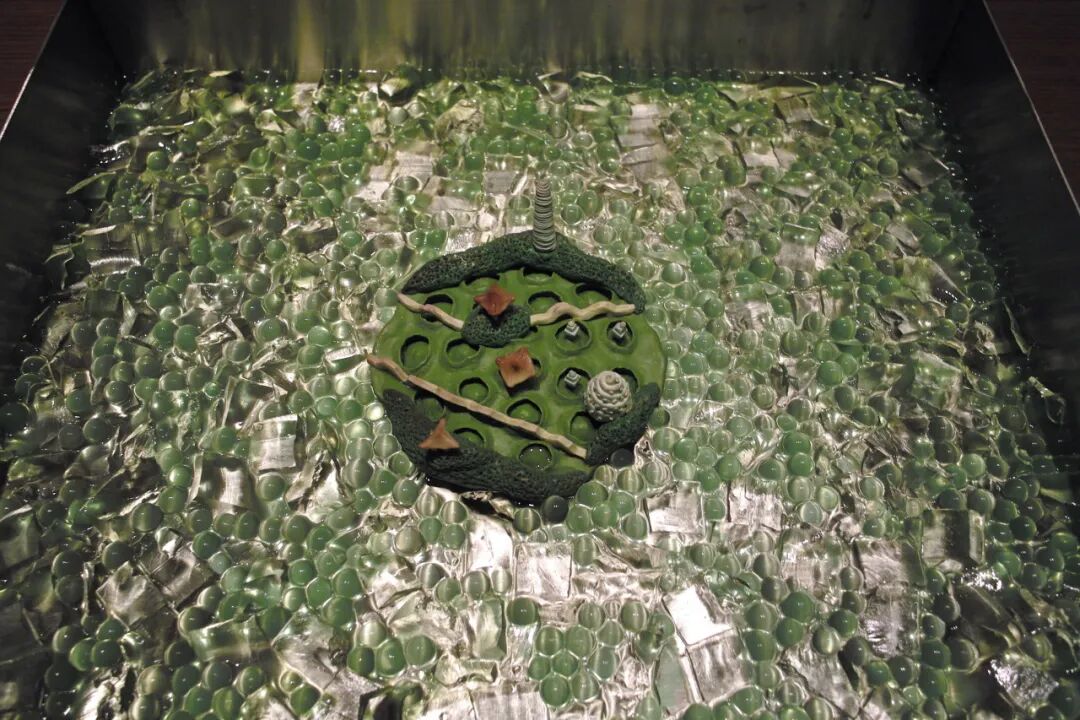

许嘉 Xu Jia

《阅读城市——杭州》Reading the City: Hangzhou

彩色软陶、水晶泥、不锈钢

Coloured soft pottery, crystal clay, stainless steel
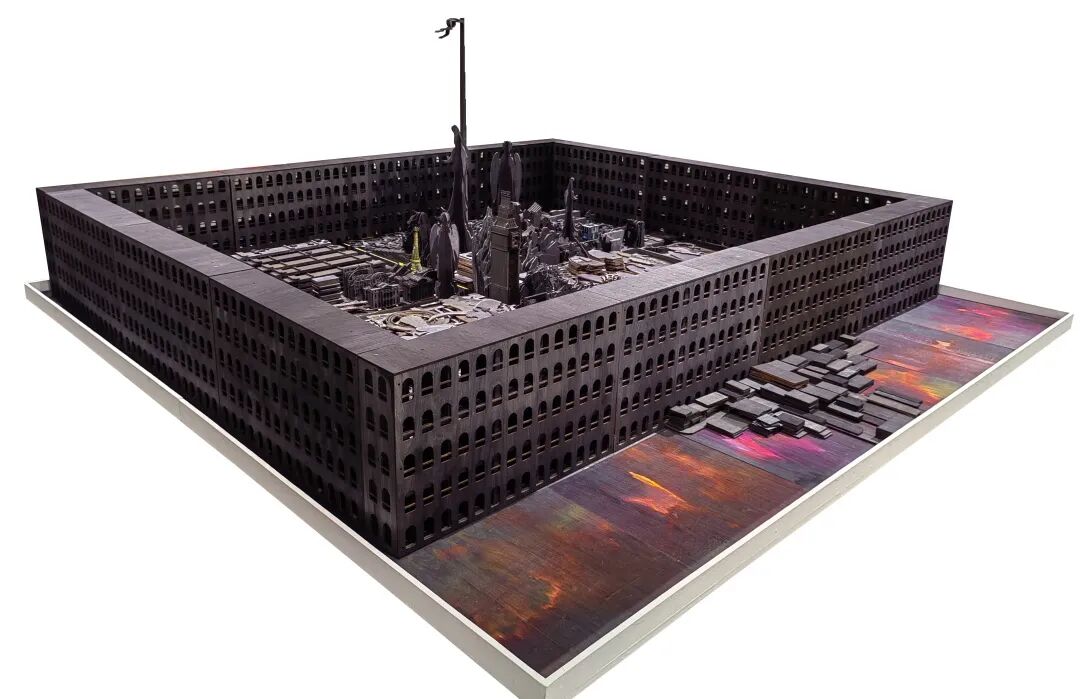

薛峰 Xue Feng

《明日之 城 —— 艺术像农业一样破土而出 》 The City of Tomorrow: Art Breaks Ground Like Cultivation

桌面装置  Tabletop Installation
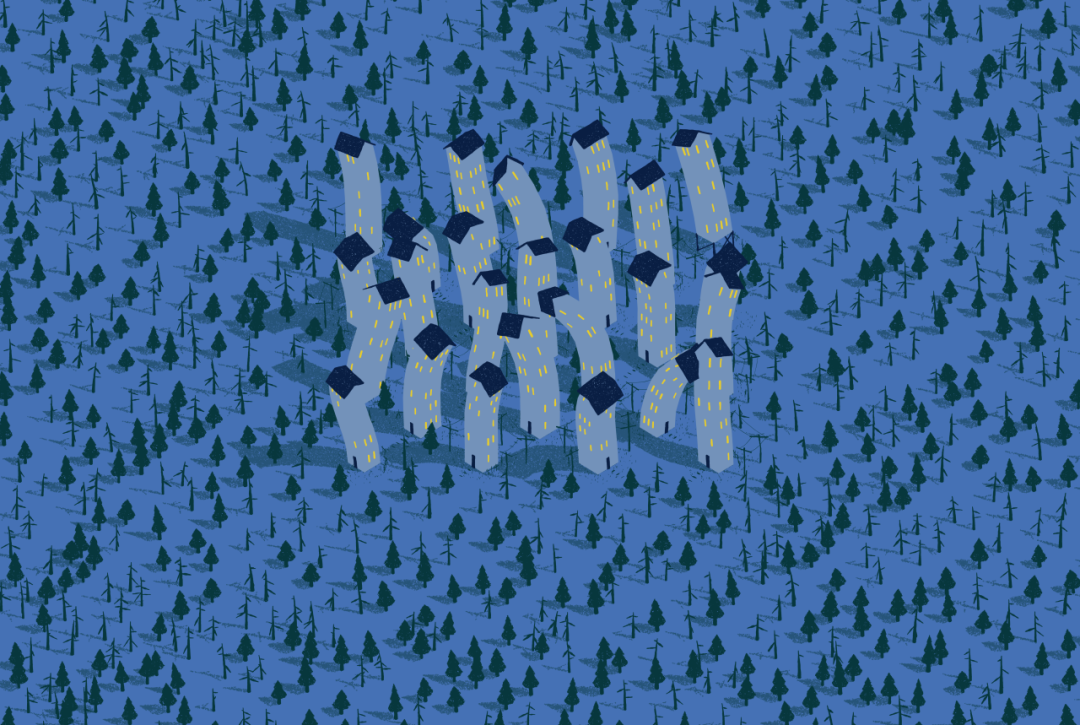

凤梨三明治 Funnysandwich

《小房子_归宿》Little House: A Sense of Belonging

实时互动影像装置  Real-time interactive video installation


一个日益强劲的悖论问题:在科技和资讯日新月异的爆炸式更新的当下,我们与“未来”的关系,是更为密切、亲近,还是更为疏离、寡淡和遥远?我们逐日遭遇各类资讯中的未来通稿,充斥着试图制造震惊效果的夸张修辞,每一刻都要对我们进行“降维打击”——这其实是一种被垄断、单一化的未来想象话术。而我们需要反问的是:你们所说的“未来”究竟是什么意思?如何是与每个普通人有关的未来?“未来”,一个熟悉却又陌生遥远的名词,在喧嚣之外,它始终在呼唤真正创造性的工作,让其重新成为一个跨越尺度、等待涌现、广阔而开放的地带。
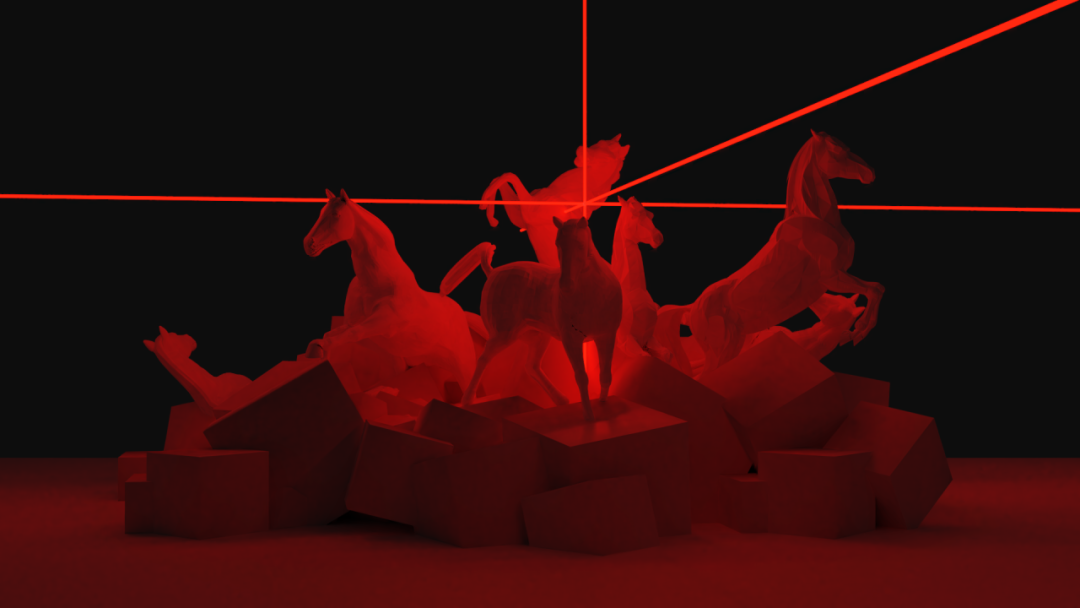

An increasingly compelling paradox emerges: are we getting closer and more intimate, or increasingly distant, anemic, and remote from the “future” in an era featured by the explosive updates of technology and information? We encounter, day after day, future-oriented press releases across all forms of information, saturated with hyperbolic rhetoric engineered to shock, seeking to subject us to a “dimensional reduction strike” at every moment. This, in essence, represents a monopolized, homogenized discourse of future imagination. We must ask: what exactly do you mean by “future”? In what way does it truly concern the lives of every ordinary individual? “Future”—a familiar yet strangely remote term—continues, despite the clamor, to call for genuinely creative work that restores it as a vast, open realm that spans scales and awaits emergence.


朱玺 Zhu Xi

《遗忘终究被遗忘》 Forgetfulness Shall Itself Be Forgotten

装置  Installation
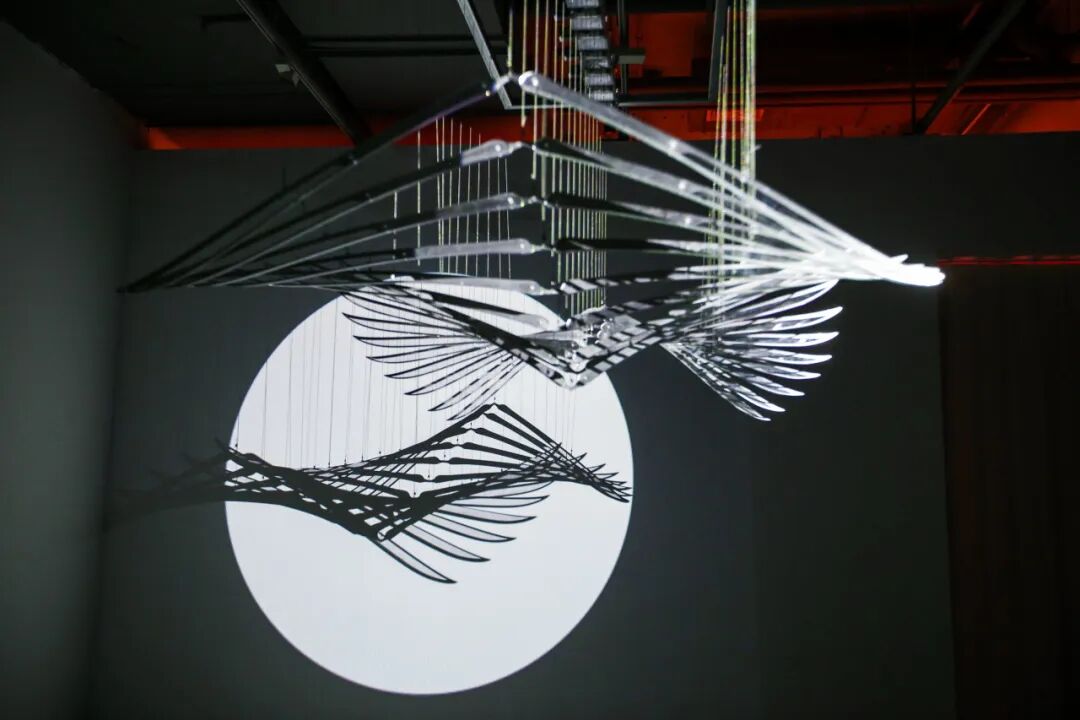

许毅博 Xu Yibo

《一》Yi

动态机械装置  Kinetic mechanical installation
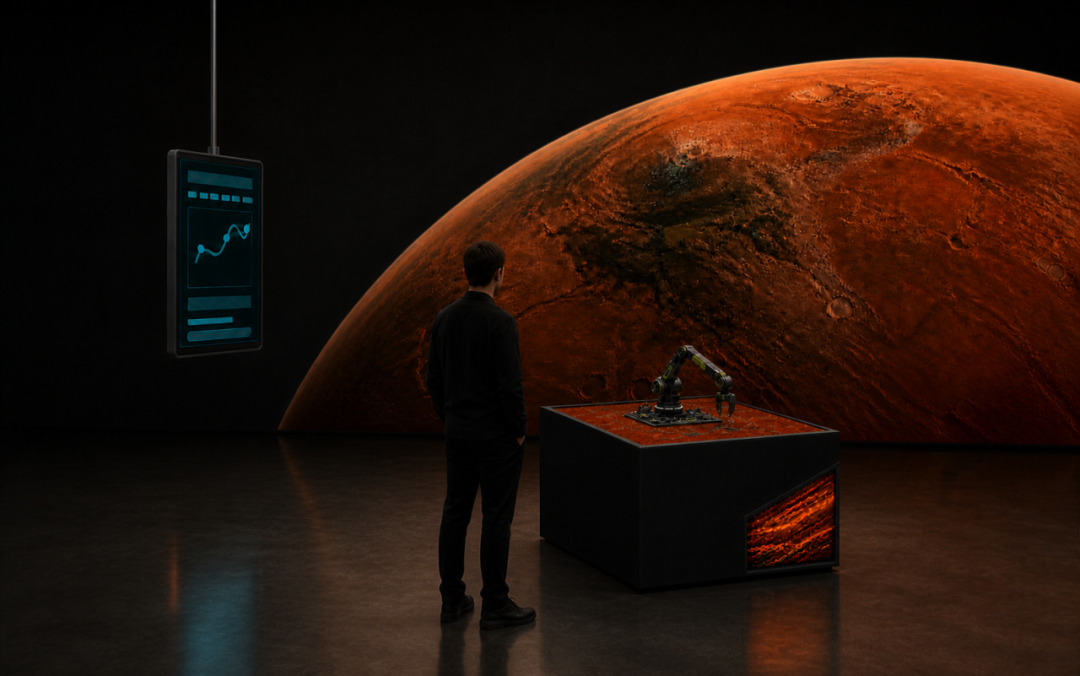

张海超 Zhang Haichao

《深时共振:基于生物代码的行星通信协议》

Deep-Time Resonance: A Planetary Communication Protocol Based on Biological Code

综合材料、LED屏幕、机械臂、交互屏、激光雷达、实时生成影像

Mixed media, LED screens, robotic arms, interactive terminals, LiDAR, real-time generative visuals
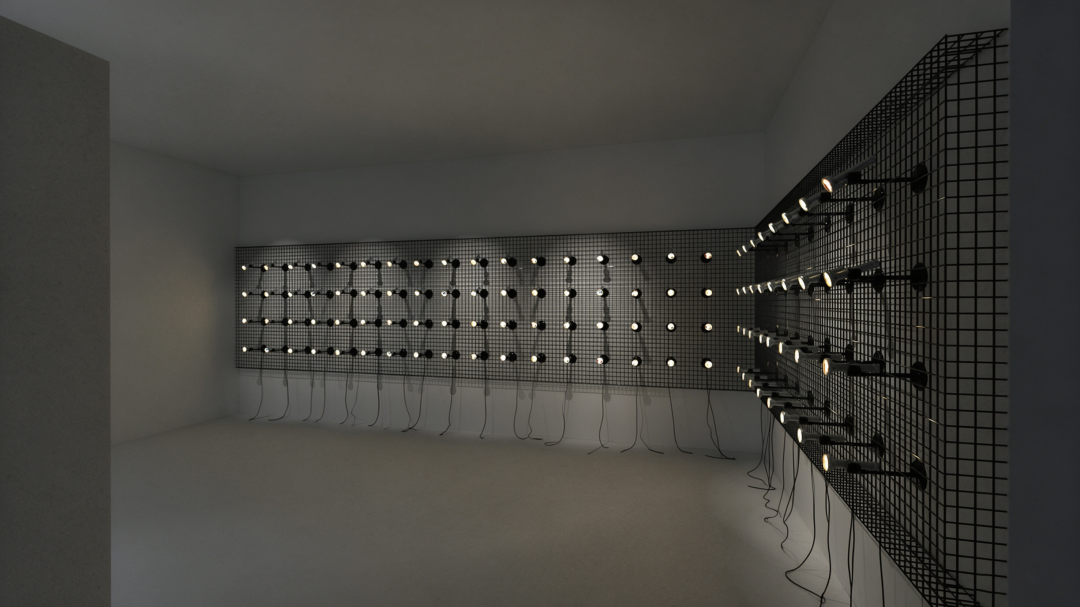

科学+艺术联合实验室 SciArt Co-lab

《光的档案》 Archives of Light

媒介装置艺术、影像装置  Media installation, video installation
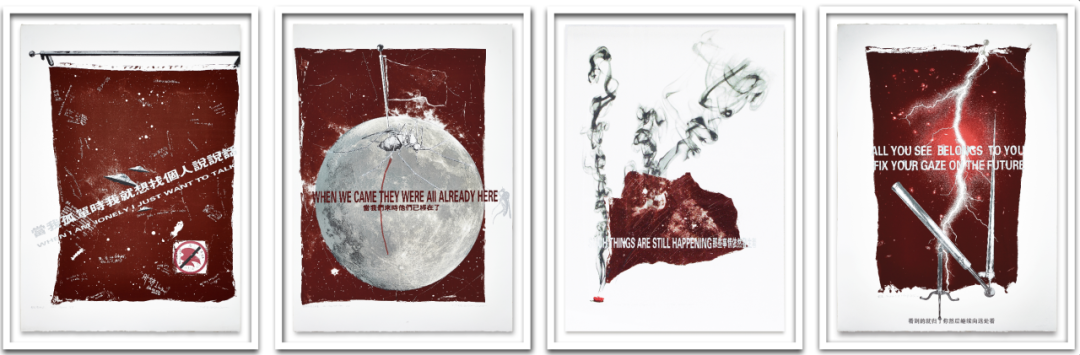

叶楠 Ye Nan

《赤磷》系列版画 Printmaking Series of Red Phosphorus

手工纸红磷 丝网印刷

Hand-Made Paper, Red Phosphorus, Screen Printing


当生成式人工智能成为每日生活用品,我们大概已经遗忘了,包括自身在内的生命,是这颗星球上已经运行了数十亿年的、最古老的生成现象。本单元以“生成”概念,统摄人工智能与生物科技这两项被誉为二十一世纪最具革命性前景的技术;既呈现艺术家基于人工智能所生成的作品,也包罗艺术家与合成生物学科研团队合作的阶段性成果。值得深思的问题在于:艺术、AI、生物实验之“生成”的差异何在?在工程设计的精确性与不可控的“生成”面前,同样朝向未知的“创造”,又意味着什么?
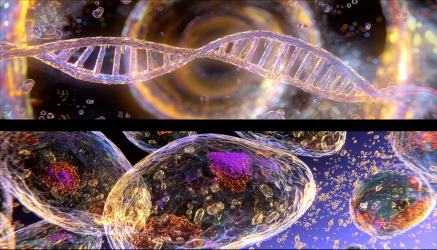

As generative artificial intelligence turns into a necessity of our everyday life, we may have forgotten that life itself—including our own—is the oldest generative phenomenon on this planet, unfolding in motion for billions of years. Based on the concept of “generativity”, this section brings together two technologies widely honored as the most revolutionarily potential in the twenty-first century: artificial intelligence and biotechnology, which presents both works generated by artists using AI and interim outcomes from collaborations between artists and synthetic biology research teams. A thought-provoking question thus arises: what distinguishes the “generative” processes in artworks, AI, and biological experiments? And when confronted with both the precision of engineering design and the uncontrollability of “generativity”, what does it mean to “create” toward the unknown?


邓碧文 Deng Biwen

《追光者:镜像黎明》The Light Chaser: Mirror Dawn

投影仪、书籍及文献 Projectors, books and literature
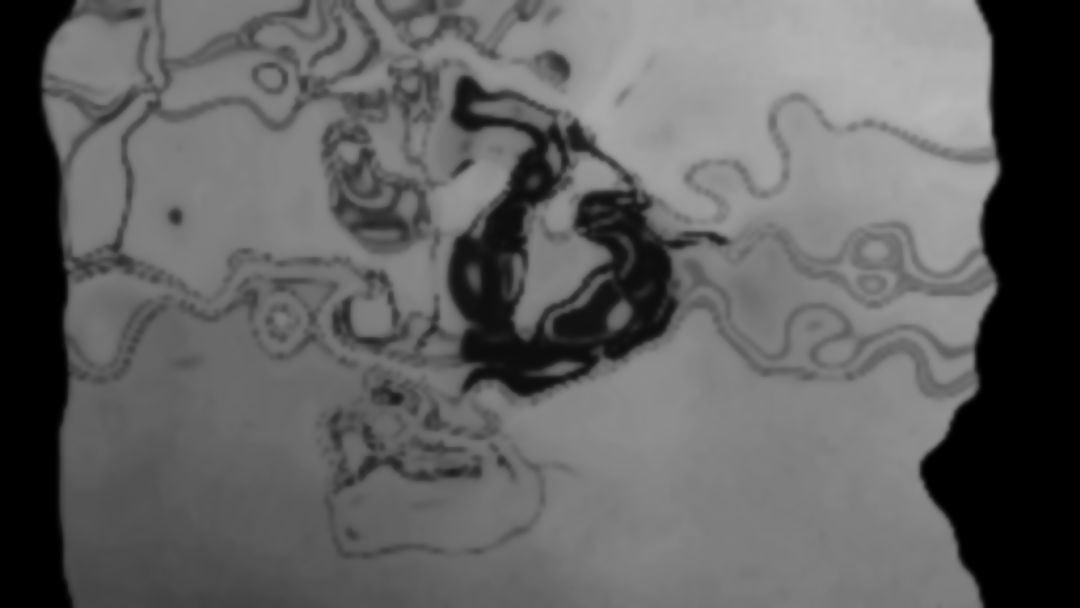

曹澍&蒋恒 Cao Shu Jiang Heng

《忘川电影院》Lethe Cinema

单频影像装置  Single-channel video installation
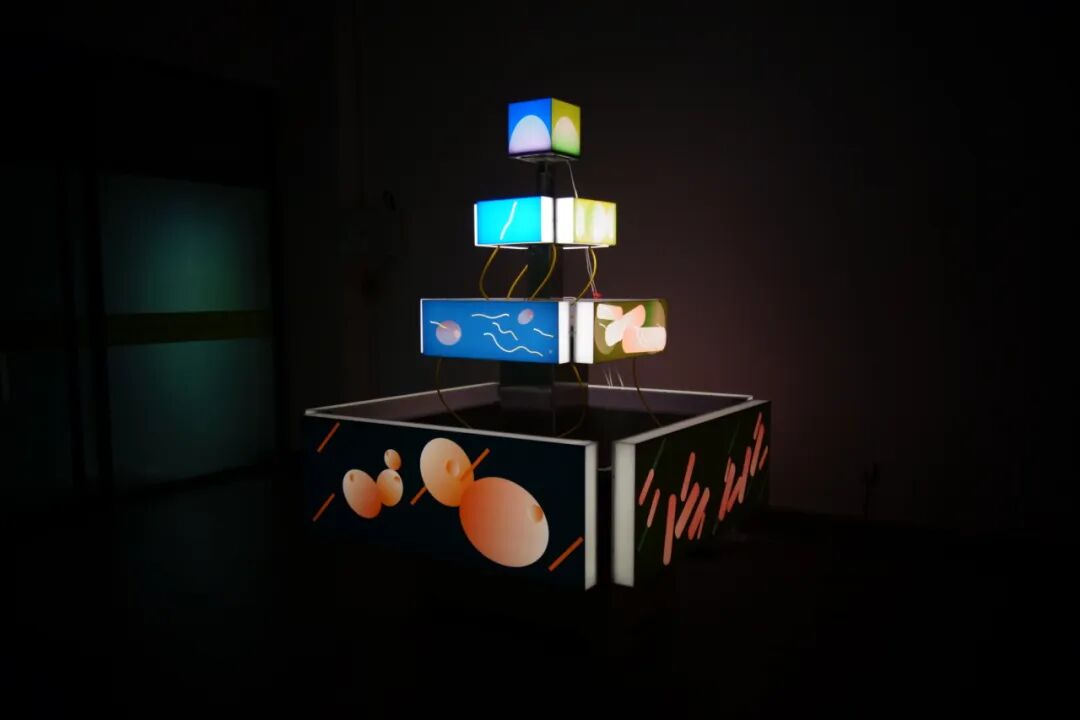

马良 Ma Liang

《涌现泉》Emergence Fountain

喷泉装置 Fountain Installation
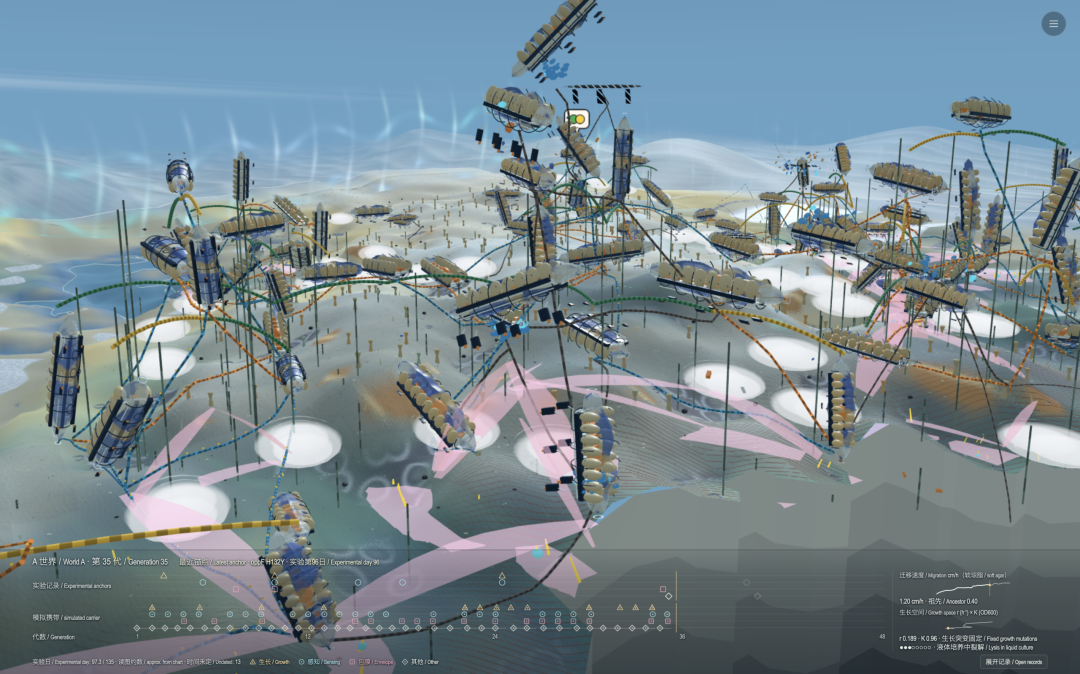

武子杨&蒙胜宇 Wu Ziyang&Meng Shengyu

《第48代》The 48th Generation

三频实时生成系统 Three-channel real-time generative system
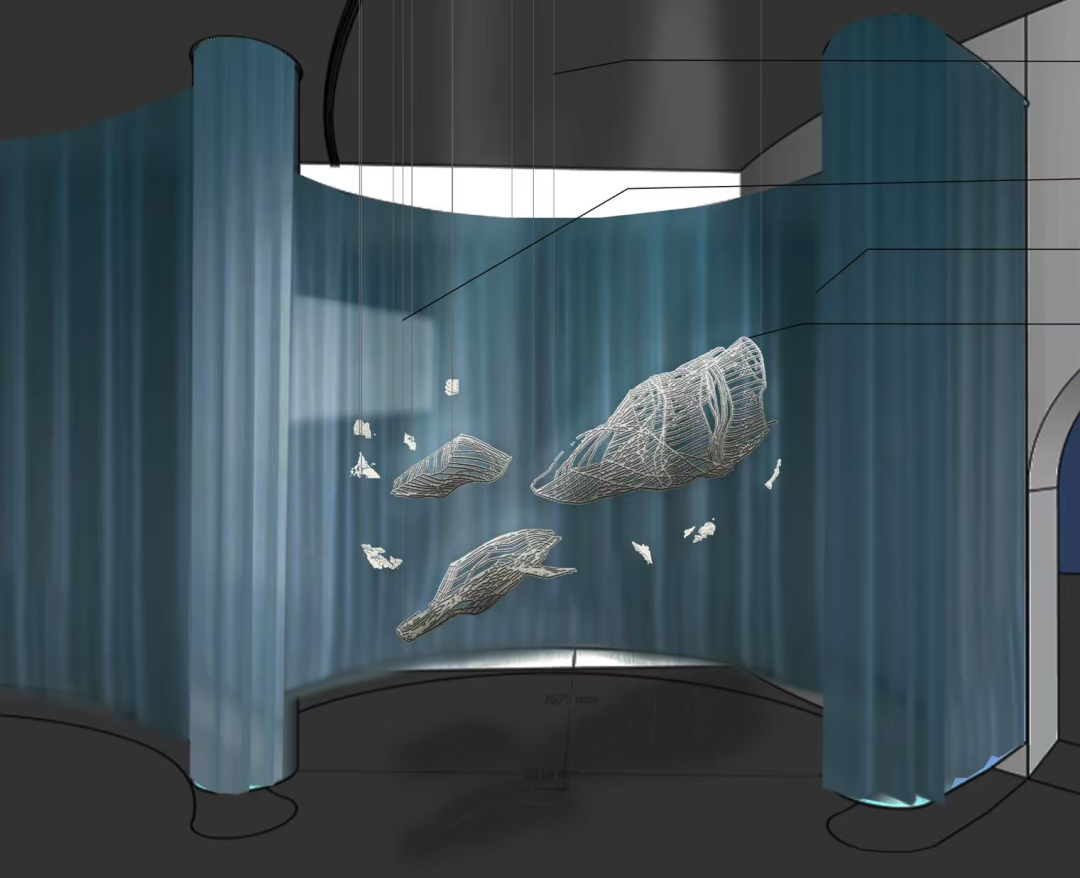

黄咏瑶 Wong Weng Io

《采珠者》The Pearl Diver

PHA3D打印耗材(可海洋降解)、白蜡树脂

PHA 3D printing material (ocean-degradable), Castable wax resin



开幕时间:11月6日(周五)下午17:30

当天(11月6日)将带来两组极具思辨性的视听艺术作品,在算法、声音、肢体与装置之间,打开感知的全新维度。


王志鹏《.uni》

由声音驱动实时粒子生成带来一场视听盛宴|联合舞者王安妮进行舞蹈演绎

这是一套仍在迭代开发的程序,由声音、视觉与身体表达共同完成解码。
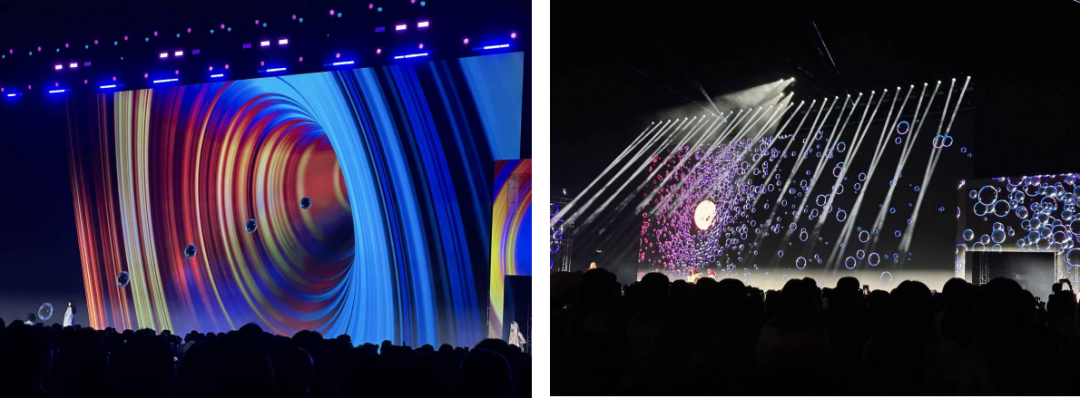

后界面《入壶》

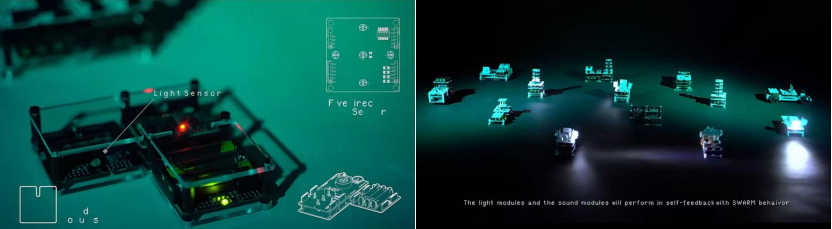
《入壶》是创意科技品牌后界面_PostInterface以“壶中天地”为灵感创作的现场视听表演,延续了方寸间自在一方天地的奇幻东方想象。音乐由品牌自研的生成式音乐硬件产品SPI-1进行现场创作与演奏,视觉则通过自主构建的实时交互液态系统呈现,声光在圆形空间中不断聚合、流动、生长与变形,带领观众进入一场游走于秩序与混沌之间、光怪陆离的壶中梦境。


组织架构


出品人:陈俊宇 李凯生 刘陈立

学术顾问:邱志杰 管怀宾 高世强 丁宁 朱荣远 周红玫 刘晓都 吴岩 冯梦波 陈超 沈少民


总策展人:刘畑 伍诗妮 易啸

策展人:刘慕仪 黄淞浩

联合策展人:胡伟 黄颖

执行策展人:李想 林小桐 林希哲

策展团队:张何心 张启悦 黄逸儿 范辰瑄


项目总监:陈麒仲 王坚

项目统筹:肖竹青 周怡 陈红娟 程平

宣传统筹:刘乐

公共教育统筹:薛扬 谢先良 梁佳阳 邱雪仪

藏品统筹:丁澜翔 陈博 韩啸

行政统筹:肖晓辉 罗希 郑丹琦 汪轩怡

技术支持:黎子越

财务统筹:朱揭峰 汪小涵 彭睿璇 马月玲

艺术档案:曹玉洁

安全保障:雷鸣 郑岩 何春梅


参展艺术家(以姓氏拼音首字母排序)

蔡宇潇&雷聆&沈临枫 曹澍&蒋恒 邓碧文 凤梨三明治 黄咏瑶 后界面:雷宏才+徐子钦 科学+艺术联合实验室&招商局先进技术研究院 空间多媒体实验室 马良 祁震 邵若栩 王志鹏 武子杨&蒙胜宇 许嘉 许毅博 薛峰 叶楠 张海超 张京华 朱力行 朱玺


主办单位

深圳市关山月美术馆 中国美术学院跨媒体艺术学院 中国科学院深圳先进技术研究院深圳合成生物学创新研究院


承办单位

深圳·城市艺术实验室 中国美术学院跨媒体艺术学院当代艺术与社会思想研究所 上海市静安雷电所跨媒介艺术中心 深圳市人工智能与机器人研究院 招商局先进技术研究院


协办单位

南方科技大学科学与人类想象力研究中心 南方科技大学科幻创作与产业化研究中心 矽递科技


特别支持

南方科技大学(深圳)天津美术学院 中央美术学院实验艺术与科技艺术学院 广州美术学院湾区创新学院 四川美术学院实验艺术学院 鲁迅美术学院跨媒体艺术学院 上海风语筑文化科技股份有限公司 柴火创客空间 天与ARTECH 华大基因


特别鸣谢

深圳市洲明科技股份有限公司

上海特锐艺术展览服务股份有限公司


文创领取参与方式


1.参观本次展览,现场拍摄展览作品、展厅环境。

2. 将拍摄内容发布至小红书、微信朋友圈、抖音、视频号任一社交平台,并带上展览话题: #深圳・城市艺术实验室系列研究展 #格致实验科技艺术与未来城市 #深圳市关山月美术馆 ,定位【关山月美术馆】,设置内容公开可见。

3. 前往美术馆服务台出示打卡发布页面,按对应条件领取展览文创:

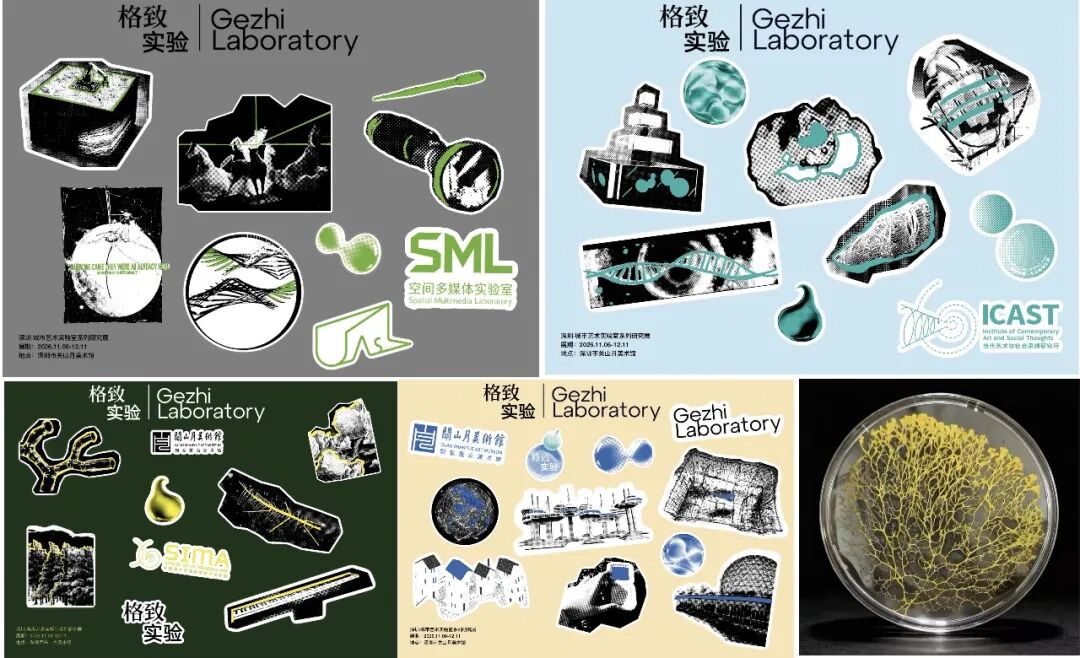
· 仅完成其中一个社交平台发布打卡:可领取贴纸;

· 在发布打卡的基础上,完成关注公众号、抖音、腾讯视频号三个平台,可领取黏菌培养皿;

· 两个不同平台打卡 + 关注公众号、抖音、腾讯视频号三个平台:可同时领取贴纸 + 黏菌培养皿。


⚠ 温馨提示


1. 打卡内容审核通过即可参与活动;

2. 每人限领 1 份文创(单平台打卡),不可代领;

3. 培养皿工作日每日限量前 20 份,周末每天限量前 30 份,所有礼品数量有限,先到先得,领完即止;

4. 活动仅展览开放日可参与,周一闭馆,不发放礼品。


深圳市关山月美术馆欢迎您!

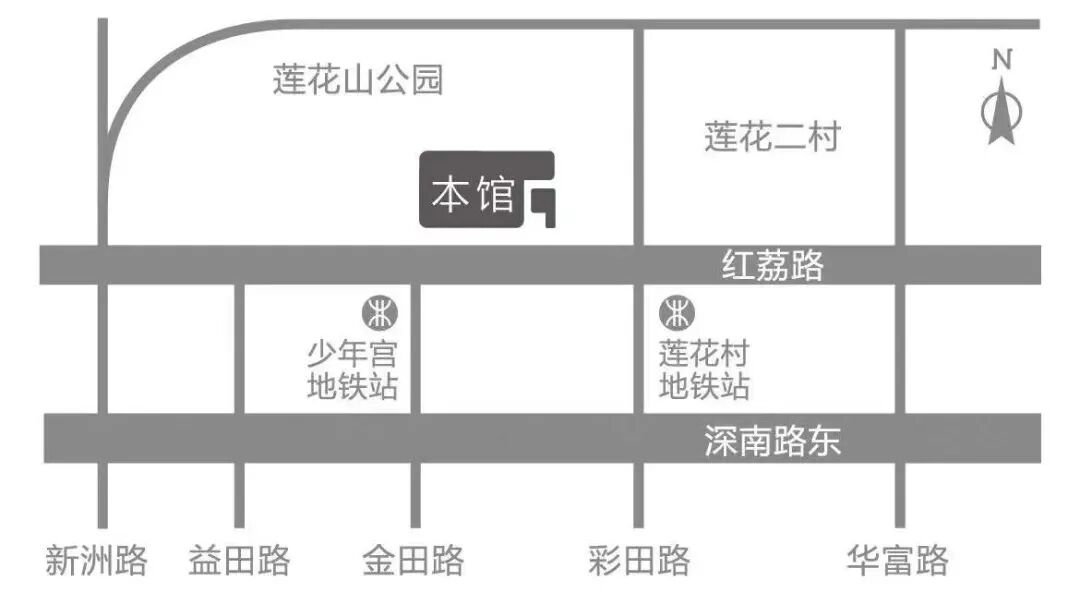
地址: 深圳市福田区红荔路6026号

开放时间: 9:00-17:00(16:30停止入场)

逢周五周六延时开放至21:00

逢周一闭馆、法定节假日另行通知

电话: 0755-83063086

温馨提示 :

因停车场安全改造,暂停对外开放

请大家绿色出行


雷电所RaidenINST


「雷电所」(RaidenINST)成立于2020年。取名为“雷电”,是取其物理原理的象征性意义⸺雷电是云内(艺术界内部)、云与云(跨学科)或云与大地(艺术与大众文化)之间的放电现象,意指了交流、协作与能量的传递。


作为非营利的艺术机构,它通过跨学科的合作,探索艺术、科技、自然的边界,以及技术与人类认识和感官的内在联系;同时,致力于实践白盒子之外的展示可能性,以策展人、艺术家等身份存在,具有很强的灵活性和合作性。


「雷电所」寄希望于通过对现实与社会语境的关注,为青年艺术家的实践,提供孵化、展⽰和传播的平台。所以,其联合各方资源,筹备了“⻘年科技艺术扶持计划”,并策划了科技艺术展“不准停电”。根植于当代艺术生态的变化,它将持续优化自身机制,联动国内外机构,以推出新的项目与展览。



阅读原文

* 文章为作者独立观点,不代表数艺网立场转载须知

本内容由数艺网主动采集收录,信息来源为 “雷电所RaidenINST” 公开网络发布内容。第三方如需转载本内容,必须完整标注原作者信息及 “来源:数艺网”,严禁擅自篡改、删减或未标注来源转载。 并附上本页链接: 若您的内容不希望被数艺网收录,或认为此举侵犯了您的合法权益,敬请通过微信 ID:d-arts-cn 联系数艺网。我们将致以诚挚歉意,并第一时间为您办理下架或删除处理。

数字媒体艺术 新媒体艺术 科技艺术

1522 举报
  0
登录| 注册 后参与评论