- 0
- 0
- 0
分享
- 美术馆要有自己的时刻表
-
2023-05-22
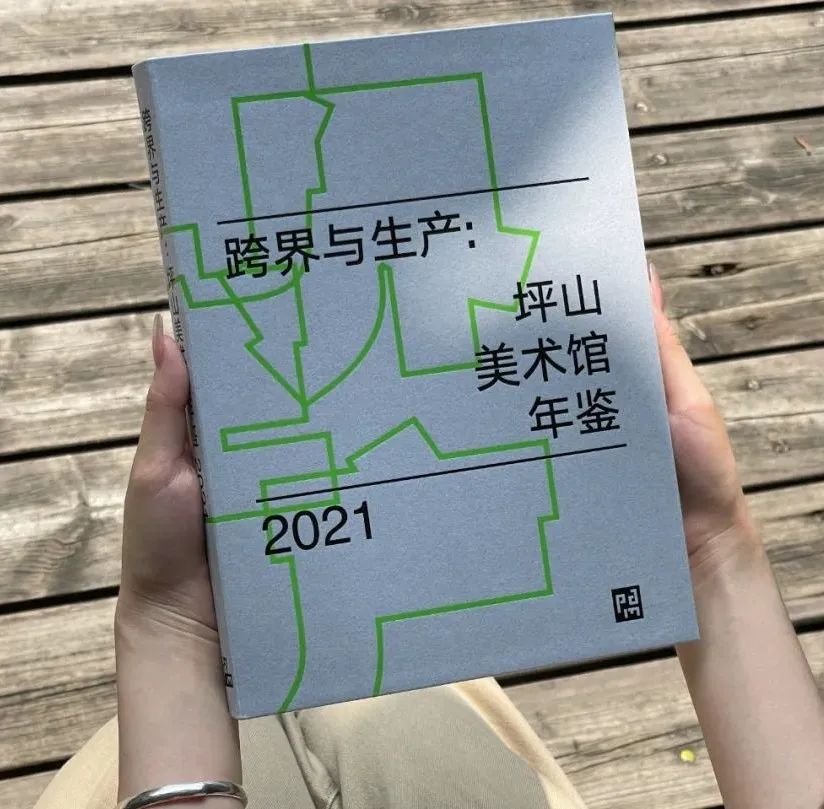
年鉴新鲜出炉
坪山美术馆年鉴的编辑,继续以关键词的提取方式,回顾了美术馆一年的工作,并将美术馆过去一年的知识生产成果,形成“年度读本”。

年鉴动画展示
1
2021年是坪山美术馆的第三年,也是我做馆长的第三年,这几年坪山美术馆给大家留下了不错的印象,可能会有人问我是不是能得出些结论了,我觉得这个挺难,现在还不是下定论的时候。坪山美术馆还很年轻,还在继续做实验和探索,处在一个积攒经验的阶段,可以说有了一个不错的开端,但未来会呈现什么状态,会有什么积淀,还需要持续地做事、观察和评估。
三年前,我选择跨界做一个美术馆馆长的决定,无论是之于美术馆,还是之于我个人而言,现在看来依然都是一场冒险,冒险当然也表示双方对这个选择都感兴趣,期待中有一些忐忑。我向来觉得,开拓一个新的领域,挑战一件全新的事情,是我所追求的人生状态,有种放手一搏的感觉。当然这种冒险也不是一个生手的鲁莽行为,这其中包含许多我的考量和判断,以建筑师的身份去做一个美术馆的管理者,我拥有怎样的管理经验,积攒了哪些资源,盘点了所有条件之后,我才决定担下这个责任,做起事来也才能有些底气。现在看起来,双方算是都没有赌输。
坪山美术馆这几年做了许多的开拓和尝试,可以说这得益于坪山在文化机制上的改革。是机制上的改革赋予了坪山美术馆敢想能做的机会,它打破了传统公立美术馆陈腐的部分,形成了一套全新的体系,让美术馆有了开拓和尝试的可能,正是有这样的前提,坪山才会选择我来担任馆长,才可以做一系列的实验和探索。当然作为一个公立美术馆,有了体系的保障,自然也会受制于层级系统的管理,招人的问题,经费的问题,需要有灵活的协商和转换,让对方理解我们要做的事情。实际上,我觉得每一个机构都有自己“出生”的条件,这就是一个机构的基因,决定了它能有多少可能性,最后又能呈现出什么样的状态。
现在的美术馆,其实大家拥有的硬件都差不多,如何打造一个机构自身的独立特性,在于能不能持续输出好的内容,有没有一个能够长期研究的方向。那么多的美术馆,有传统艺术做得很专业的,也有馆藏做得好的,那么坪山美术馆要做什么才能凸显它的特色和文化影响力?艺术机构不是筑个巢就完事了,它不应该成为一个“文化牌坊”,而是需要在运营上下功夫,在展览、研究上花心思,否则这么多场馆就会变成一种资源浪费,空有其表。
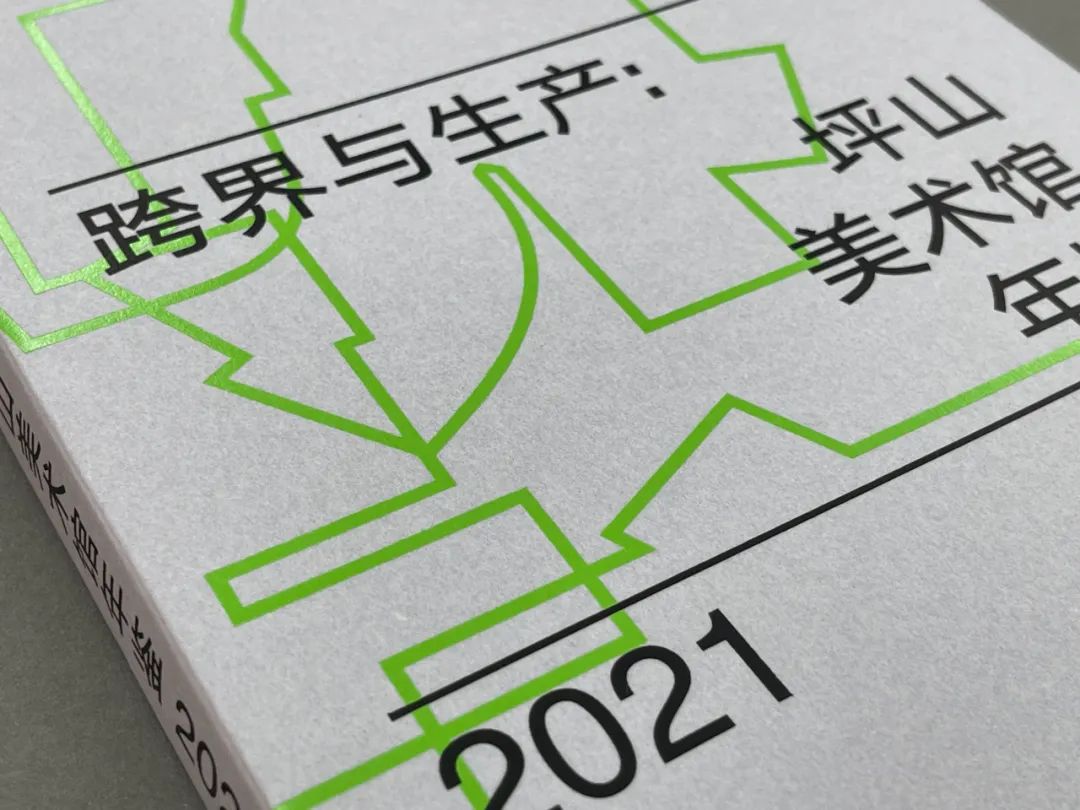
坪山美术馆2021年的关键词:跨界与生产
2
以我的专业实践和运营经验,结合深圳的调性和坪山的机制,我觉得如果能抓住一条线,给予坪山美术馆一个非常清晰的定位和方向,我们才能给公众一个深入人心的形象。这关乎一个美术馆的特性和“人格”,我们需要避免冗杂,不能让走进来的人感到迷惑。其实要做到这点并不容易,这涉及到层级系统中能否统一决策的问题;反过来说,要做到这点也不难,就是让专业的人做专业的事,不随意变动一个美术馆的运营框架,最后这个机构的形象自然就会足够清晰。如果最终外界能够用俩词儿把一个美术馆给定义出来,我觉得这事儿就算是做成了。
就像每个建筑事务所会有它专攻的方向,美术馆也需要有明确的运营思路,要有长线的策略和规划,在对区域基因、文化机制、工作团队、建筑场地等多方因素的斟酌之下,我们才选择把当代艺术作为坪山美术馆的主要方向。但我们要怎么做才能不沦于平庸,进而让坪山美术馆发展出独有的特色,就需要在策划阶段对这几年的工作脉络做好梳理。
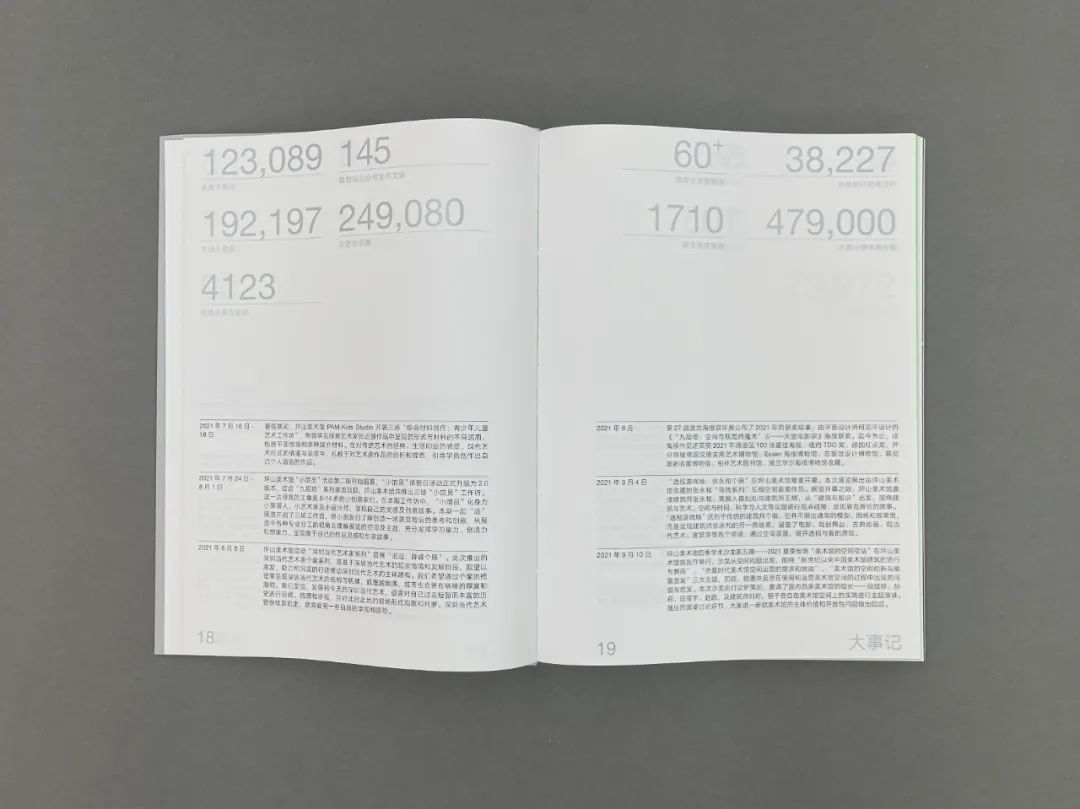
年鉴注重图表和数字的公开
比如我一开始就把这几年能做的铺排了50%,第一步要先亮出什么招,再者要做什么立竿见影的事情来证明我们的能力和实力,到了一定时刻,我们觉得是时候了,再来推出关乎我们自身落脚点的计划。这就是策略,是一步步“垫”出来的。很多想法可能一开始就有了,但要放在什么时候去做,就是我们要去判断的事情。
2021年坪山美术馆做的所有尝试,是在之前两年积攒的经验下进行的。我们没有亦步亦趋地套用常规美术馆的模式和规则,就像一个企业研发新产品一样,我们也希望能做别人没有做过的展览,要做出点不同的事情,就需要有自己的发挥。自主生产依然是坪山美术馆一个非常重要的功课,我们非常关注坪山美术馆如何形成积累、生产,进而促进创作的意识。过去我管理建筑事务所,我们有专门的研究部和媒体部,运营需要有扩大再生产的意识,要把积攒到的生产资料再投入到各个板块的生产当中。这个思路放在坪山美术馆也是触类旁通的,不是把大型国际展览办完就完事了,我们还要逐步产出自己的内容和观点。
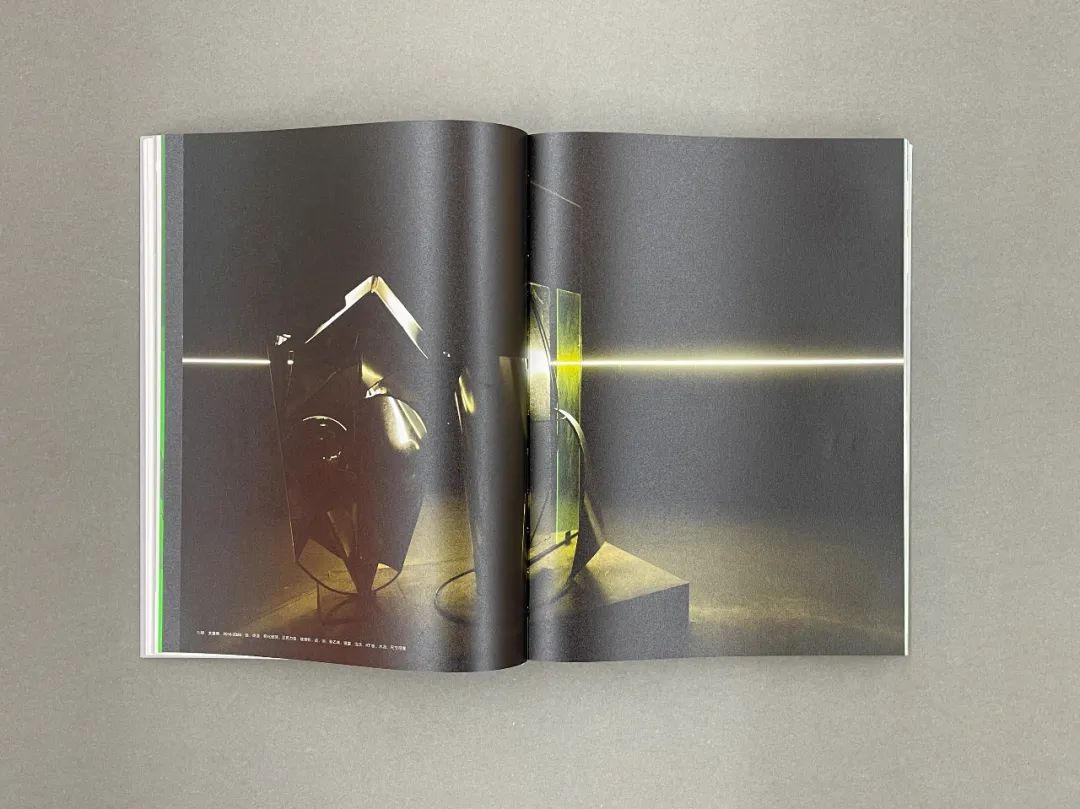
年鉴内页,“九层塔”展览现场
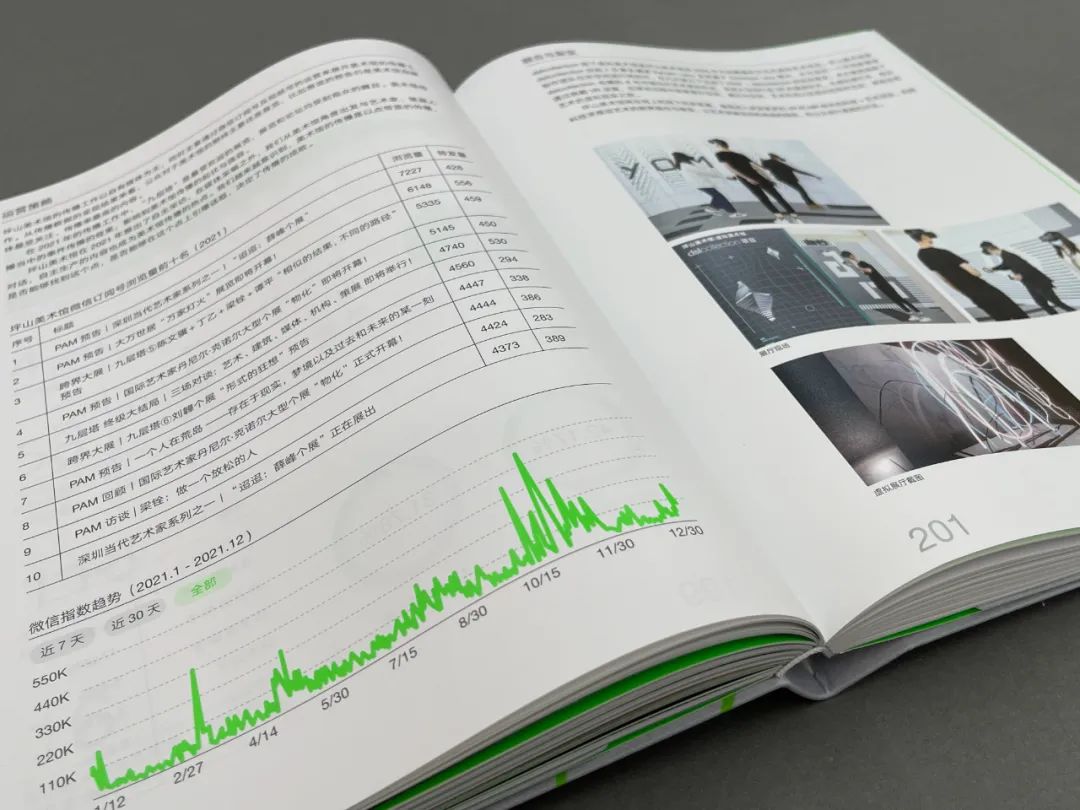
年鉴编辑强调客观、公开和实事求是的原则
“九层塔”的系列展览让很多人又重新认识了坪山美术馆,认识到了我们跨界协作和独立生产的能力。我们对每一个展览,既要有开创性的想法,也要有按部就班地执行和推进。“九层塔”从跨界概念的形成到展览的真正落地,对坪山美术馆的内容创造和细节工作的执行都是很大的考验。我一开始并没有设想最后能把“九层塔”①到⑨全部呈现出来,因为规模太大了,放到现在可能真的无法实现,没有那么大的空间。我们必须承认,“九层塔”的成功是可遇不可求的,我们必须要珍惜每一个能够有所作为的时机。当然有时候也不得不审时度势,觉得条件不够了,可以后退一些,尝试其他的方式,自己要多储备一些“招数”。我不担心没招数,也不缺想法,只是需要在合适的时机找到合适的人,一起把想法变成一个可以实行的模式。
我比较担心的是一个美术馆对馆长的过度依赖,馆长固然很重要,他是一个机构的生命力和主心骨,但风险也在于,他离开之后,这个机构能否持续拥有凝聚力?我觉得作为一个阶段性的运营者,必须要有这样的意识,就是一个美术馆的沉淀和成果,要往10年、20年后去看,而当下就是要逐步把好的做法变成一种常规,让每个部门都能够各司其职,保持住展览、研究的质量和进度,这样新的管理者上任,执行的效果就不会打折扣,原有的展览、收藏、研究的水平也就能够保持。
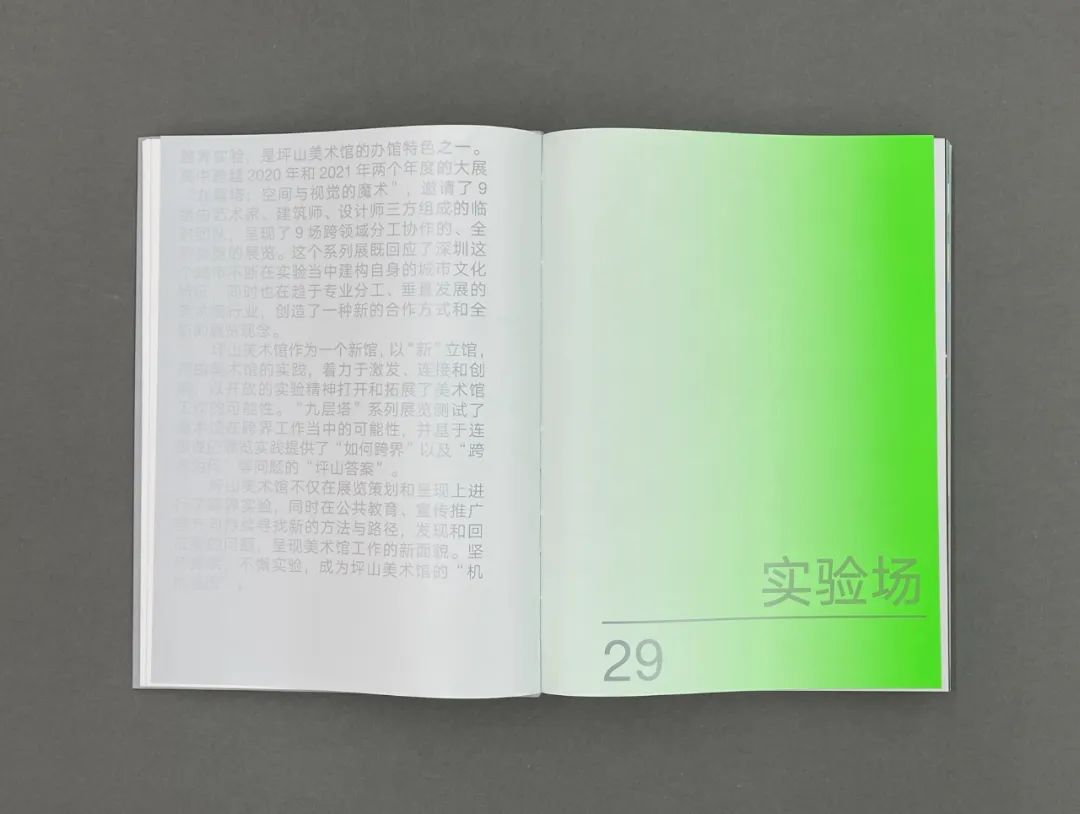
年鉴提取了10个关键词来描述坪山美术馆的2021
“故乡系列”“深圳当代艺术家系列”的展览也是一样,先在我这里开一个头,我先铺一条路,尽管也很难在几年的时间内就得出什么结果,但我们知道这个事情的意义不在现在,而在未来能否持续地有新的成果,我相信这些系列如果能够持续做下去,未来坪山美术馆的学术地位就可以很扎实了。
3
未来深圳的艺术生态,或者再拓展到大湾区、广东,甚至整个南方区域,会呈现出什么样子,我觉得现在就要开始去做收集和积累,我们可以成为一个和地方的艺术生态共同生长的美术馆。“深圳当代艺术家系列”这件事情以前没有人做,那就由我们来做,在我看来,这其实是一个深圳的当代美术馆该有的意识,“九层塔”证明了我们的能力和实力,这时候启动“深圳当代艺术家系列”,公众和同行会感受到坪山美术馆对这件事的态度,自然也会给予更多的关注。
我不会选择在一开始就推“深圳当代艺术家系列”这样一个关乎自身话语权和落脚点的计划,也不会在看到“九层塔”的成效之后继续做类似的“爆款”展览,这是基于对未来坪山美术馆发展的长线思考。我们想要预见一个能在未来留下legacy的美术馆,既要判断每个计划施行的时机是否成熟,也要知道不能只做即刻见效的、“爆款”的事情,这不是好的运营策略。换句话说,对一个美术馆的坚守,不能空有想象和豪情,而是要有实际、理性、克制的规划和策略。
4
坪山美术馆还很年轻,处于一个新生的初始状态,整个深圳的艺术生态也有很多可以生长的空间。艺术家薛峰说,深圳的文化应该有自己的“新味道”,我同意这个说法,深圳是一个最好的实验场,有机会,有能量,有宽容度,什么都可以尝试。在一切都还没成型、固化的状态下,这里的机会是很多的,还没有形成束缚人去做事的氛围。
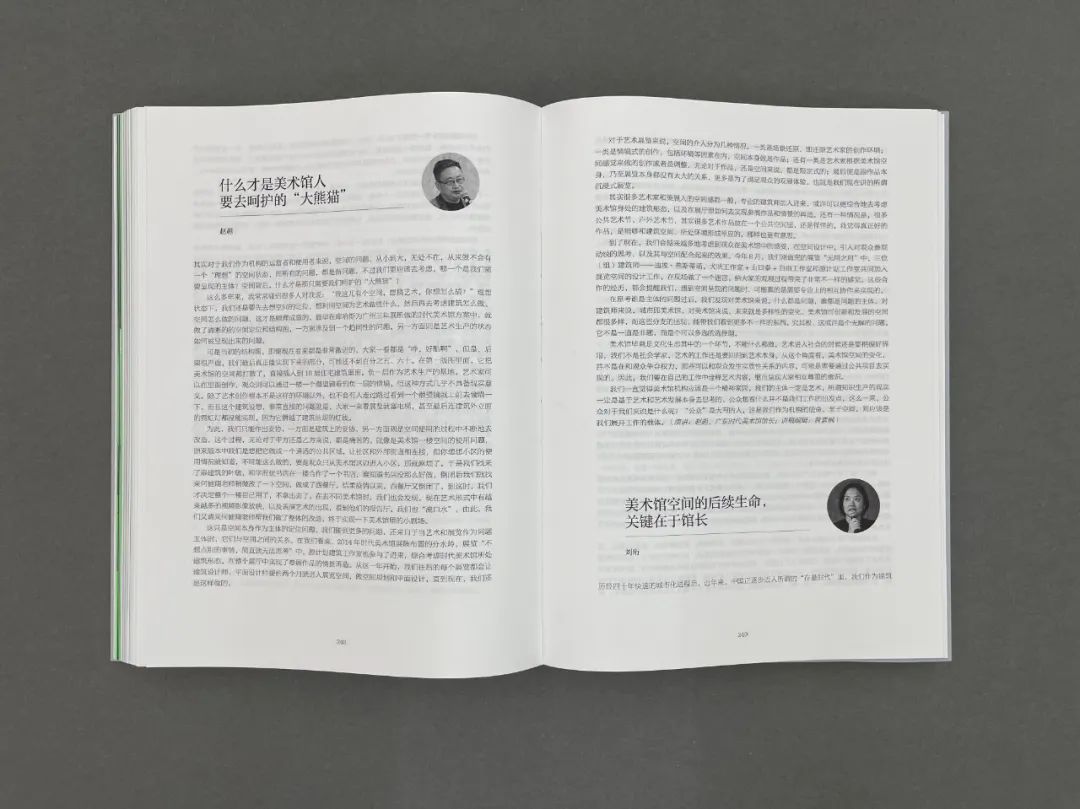
年鉴不仅呈现美术馆“事件”,还呈现美术馆的“内容”
但在深圳,大家好像也很喜欢谈“创新”,这点我倒是有所保留。我们要怎么定义“创新”,很多时候“创新”可能只有那么一次,就像现在建筑领域依然遵循的是柯布西耶的那一套标准,可能会有新的形式,但并没有脱离那套建造体系。其实创新也不一定就是好的,就像科学并不等于真理,科学可能是一系列谬误,它只是趋近真理的一个手段。但我们的文化常常会说这事儿不科学,英文里并没有This is not scientific的说法,他们会说This is not logical。我觉得“逻辑”可能是一个更正确的词,它融合了哲学、社会学和科技层面的含义,这是一个更基本面的东西。
对于一个美术馆来说,其实已经没有什么“新”可“创”了,我们也不会去做外在形式的创新,那样的创新很有可能就是在创一系列的谬误。坪山美术馆现在在做的,可以说是在一块新地上用老方法拓荒。我以企业运营的思维运营美术馆,也谈不上是创新,只是一种灵活转换的思维。企业追求的是效率和利润,艺术机构追求的是文化的积淀和影响力,方法是相似的,但生产价值不同,这就是转换和变通的思维。如果一定要使用“创新”这样的说法,其实就是不要守旧,你往前走的每一步脚印都是新的,重要的是要不断地做出调整和改变,我觉得这才是比较符合逻辑的做法。
与其谈“创新”,在美术馆中大胆地去实验和尝试,反而是很值得鼓励的,我们就把坪山美术馆当作一个实验场域,相比于在一个已经成型的制度之下,一个新生的美术馆去做实验的成本和后果就没有那么重,大家会愿意去做适当的改革和尝试,一致觉得不错的想法,也会敢做先做,很多意料之外的成果就是这样出现的。如果说最后我们形成了一种新的经验,大家觉得行之有效,也许会成为其他机构运营上的参考。坪山美术馆的运营经验无法成为一种标准,但能够成为行业中一个可以借鉴的方式,或者一个可以讨论的案例,我觉得我们的工作也不会是徒劳。
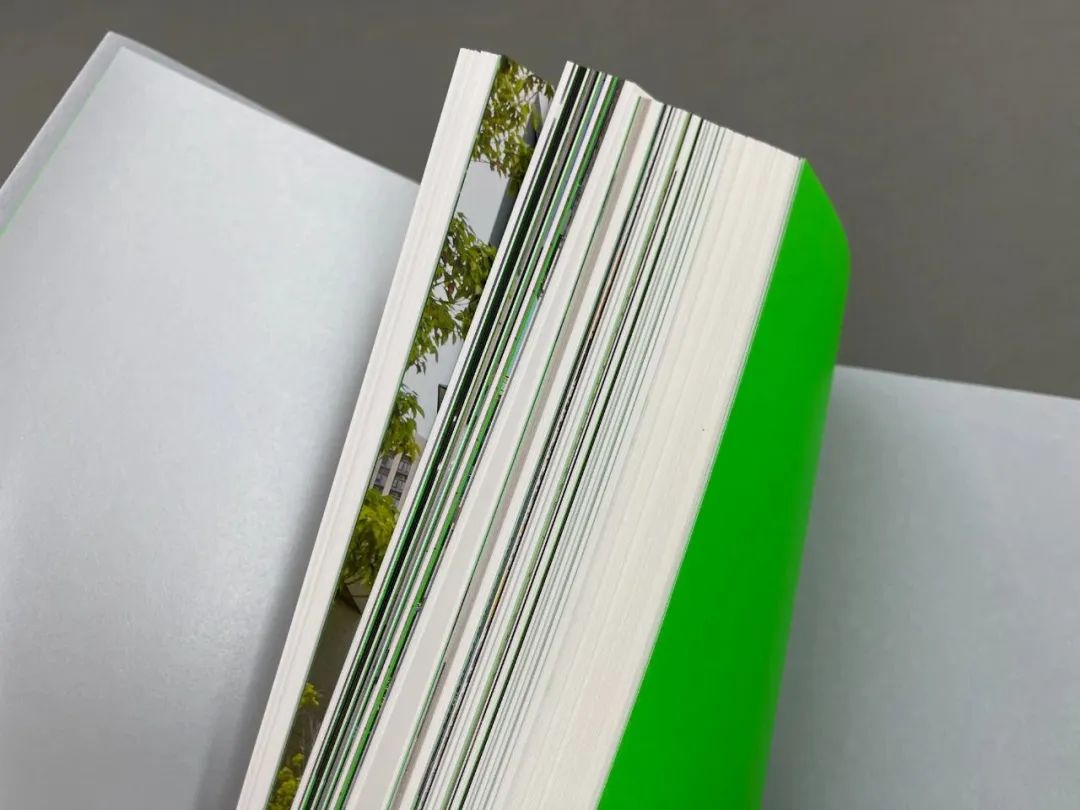
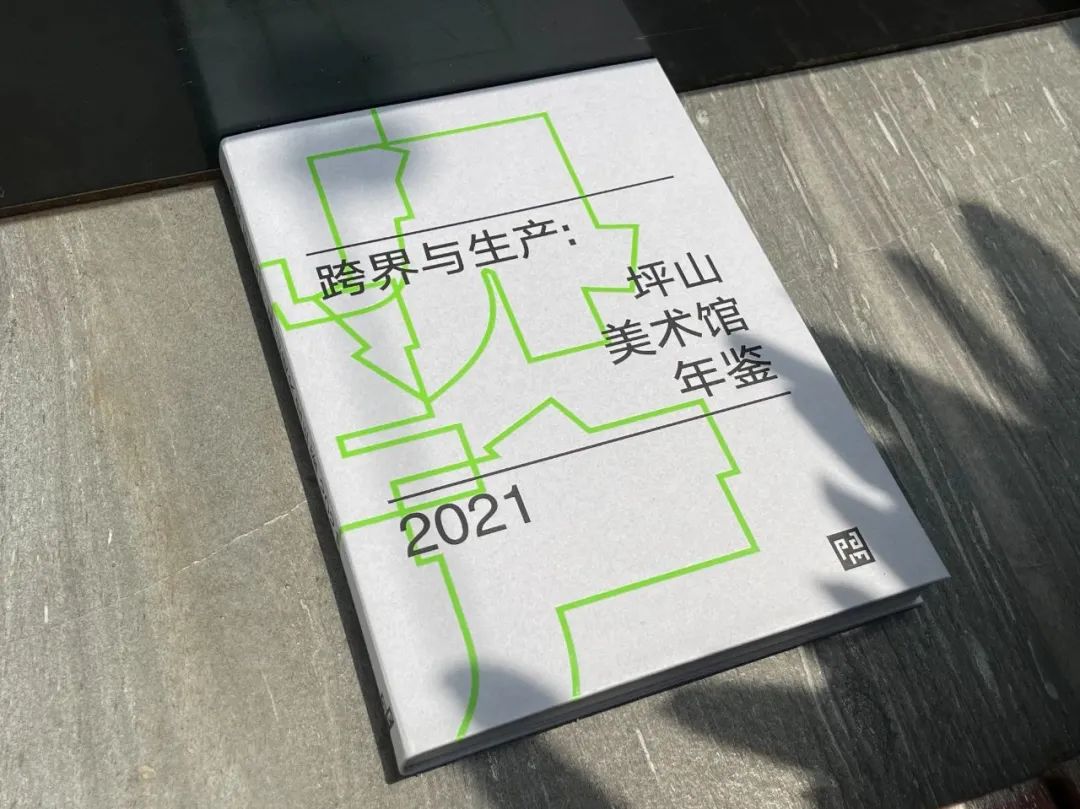
年鉴是时间的沉淀与构建
5
2021年是我任期的第三年,我不是一个刻意追求要留下什么印记的人,我也不可能在艺术圈做一辈子,这几年我能够为当代艺术和深圳的文化氛围做一点工作,我觉得就挺开心的。可能从社会角色来看,坪山美术馆作为一个区域级的公立美术馆,我们的基本功能就是服务坪山的公众,但以一个美术馆文化引领的地位和作用来看,它会产生像“形象大使”一样的影响力,影响到深圳、全国,甚至国际,就像许多人因为连州摄影博物馆认识了连州,也会因为坪山美术馆而认识坪山。坪山美术馆给坪山带来的声誉和印象,这个价值是不可估量的,这就是文化上的“放大效应”。
坪山是个小的区域,我们如果把坪山美术馆看作一个文化艺术的容器,它生发出的影响会是无限的。现在可能只是在一片荒地里头冒出的一棵小树,但从更高远的视野来看,坪山美术馆将来或许会是南方艺术生态中的重要一环。未来还会有很多美术馆不断建成,到时候放眼望去,发现草地上有很多棵树,大家都在生长,是一个很丰富的生态,我希望坪山美术馆这棵树,也会跟着生长,并且长势还不错。
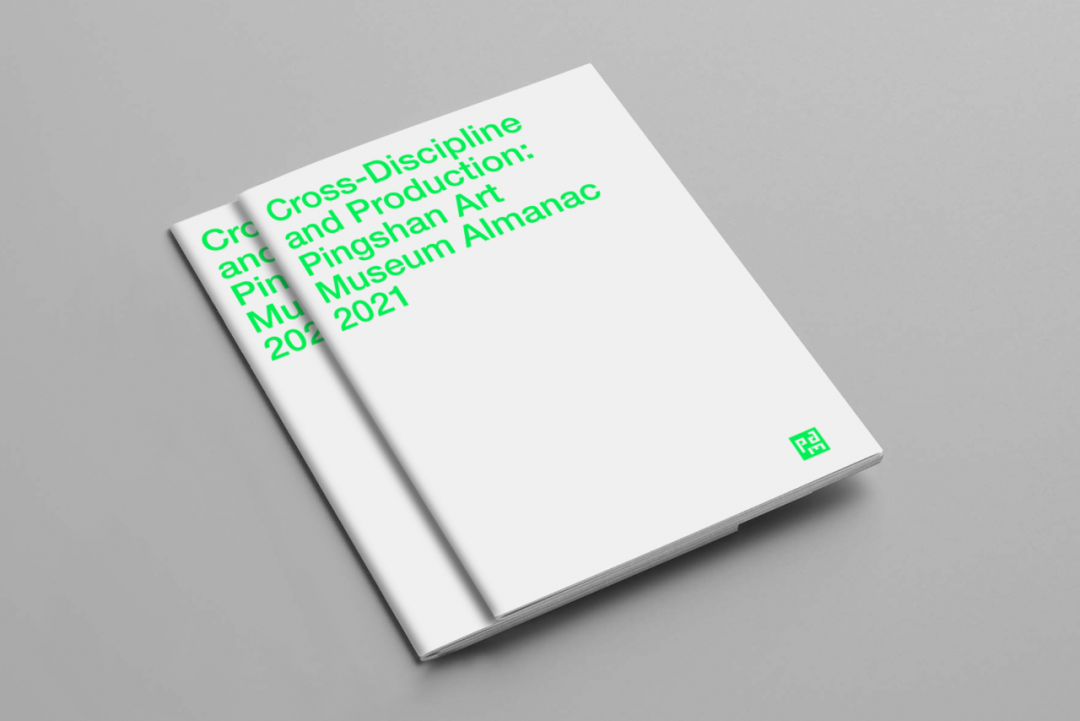
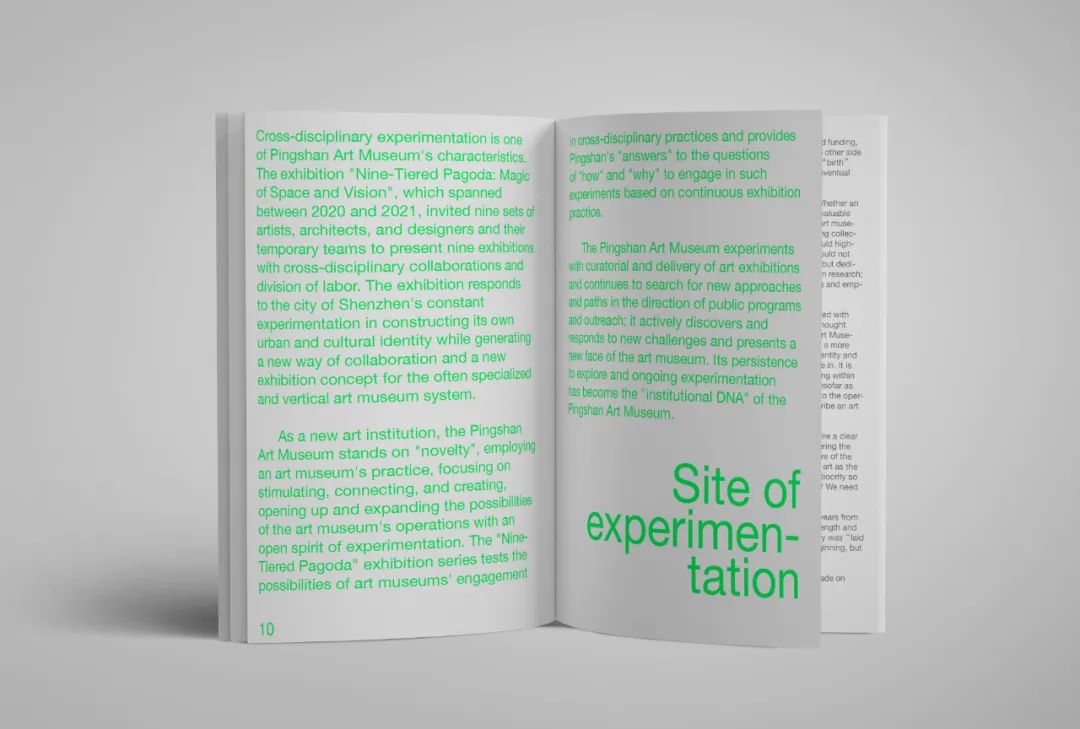
An Art Museum's Cross-Disciplinary,
Reproductive and Amplifying Effects
The year 2021 marks Pingshan Art Museum's
third year since its founding, and I am its director. With the excellent
impression this art institution has emanated, some people ask me if I would
make conclusive remarks from my experience. It's challenging as it's yet to be
time to do so. The Pingshan Art Museum is still very young, continues to
experiment and explore, and is in a phase of accumulating experience. It has
had a smooth beginning, but what it will become and leave behind still requires
continuous effort, observation, and assessment.
Three years ago, I chose to make the
cross-disciplinary leap and became the director; in retrospect, it has been an
adventure for both the art museum and myself. At the same time, this adventure
implied interests and unsettled anticipations on both sides. I have always felt
that the challenge of breaking into a new field and doing something completely
new is what I am constantly pursuing, like putting all the eggs in a basket. Of
course, this kind of adventure is not a reckless act of a novice. It involved a
lot of consideration and assessment, including what type of management
experience I have as an architect and what resources I have accumulated. After
taking stock of all the conditions, I decided to take on this responsibility to
proceed confidently. Now, both sides have not lost the bet.
The Pingshan Art Museum has made many
pioneering and experimental efforts in the past few years, which benefited from
the reforms of the cultural mechanism in the Pingshan District. They provide
opportunities to think large and execute, undermining the bureaucratic-laden
art museums' stereotypes and forming a brand new system, allowing the museum to
explore and experiment. With such a premise, the district invited me to be the
director heralding such a series of experiments and explorations. Of course, as
a public art museum backed by the system, it is naturally subject to the
management of the bureaucratic system. In addressing issues with recruitment
and funding, we had to be flexible in our negotiation and conversion so that
the other side understood our intentions. I imagine every institution has its
own "birth" conditions, constituting its genes, determining its
possibility, and eventual becoming.
Nowadays, all art museums are equipped with
similar hardware. Whether an institution can build an independent identity lies
in how it outputs valuable content and its long-term direction for research.
Given that many art museums specialize in traditional art and others have built
an outstanding collection, what should the Pingshan Art Museum steer towards
that would highlight its characteristics and cultural influence? An art
institution should not only be an empty shell or become the "cultural
house of cards" but dedicate efforts to its operation, presenting
exhibitions, and engaging in research; otherwise, many of these venues will
become a waste of resources and empty facades.
With my professional practice and
operational experience, integrated with Shenzhen's characteristics and Pingshan
District mechanism, I thought to hold on to a clear trajectory line that would
offer the Pingshan Art Museum a definitive position and direction, we would
provide the public a more compelling image of an art institution. So the museum
builds its identity and "personality", avoiding clutter and confusion
for those who come in. It is not a goal easily achieved, as it involves
unanimous decision-making within a hierarchical system. On the other hand, it
is easy to do so, too, insofar as allowing professionals to be professionals
and unwaveringly stick to the operational framework of an art museum. If the
outside world can describe an art museum in two words, it will be a success.
Just as every architectural firm has its
direction, art museums require a clear idea of how to operate and a long-term
strategy and plan. Considering the DNA of this district, cultural mechanism,
work team, the architecture of the building, and many other factors, we decided
to set contemporary art as the main direction of the Pingshan Art Museum. How
do we avoid mediocrity so that the Pingshan Art Museum develops its unique
characteristics? We need to do an excellent job in planning its first few
years.
For example, I laid out 50% of what we
should do in the next few years from the get-go and the first steps
demonstrating our capability and strength and at the right moment to present
our position and plans. This strategy was "laid out" step-by-step.
Many ideas may have been there from the beginning, but the delivery time
depends on our judgment.
All the attempts made by the Pingshan Art
Museum in 2021 are made on the basis of its experience accumulated in the
previous two years. Just like a company developing a new product, we want to do
something that this is the first time anyone else has done and put forth
something different, and we need to play our own game. Autonomous production is
still a critical task for Pingshan Art Museum. We are deeply concerned about
how the museum shapes accumulation and production that would foster a sense of
creativity. My experience managing an architectural office taught me to set up
a special research department and a media department. Our operation is put
forward with the drive for expansion and reproduction and reinvesting the
production material collected back into the production of each section. This
system is equally applicable to the Pingshan Art Museum. Our work is not
complete only with executing large-scale international exhibitions but
discovering ways in which we would produce our own content and perspectives.
The "Nine-Tiered Pagoda" series
of exhibitions allowed many viewers to reacquaint themselves with the Pingshan
Art Museum and our ability to collaborate across disciplines and produce
independently. We had to have pioneering ideas for each show and step-by-step
execution and progression. From the formation of the cross-disciplinary concept
to the actual implementation of the exhibition, "Nine-Tiered Pagoda"
was a tremendous challenge for the Pingshan Art Museum in generating content
and particular work execution. In the beginning, I did not envision that we
would be able to present all of "Nine-Tiered Pagoda" from ① to ⑨ because of its tremendous scale. Given our diminishing exhibition
space, it would seem impossible to realize at the present moment. We must admit
that the success of "Nine-Tiered Pagoda" is unexpected, and we should
cherish each opportunity presented for us to make a difference. Of course,
sometimes we have to assess the situation; should the conditions be inadequate,
we could take one step back and try other means while reserving some
"tactics". I'm not worried about running out of tactics and ideas but
about working with the right people at the right time so that we would
transform ideas into executable models.
I am more concerned about an art museum's
over-reliance on its director. Of course, the director is vital, and he is the
life force and backbone of the institution. The institution runs the risk of
being unable to maintain cohesion once a director leaves his post. As an
administrator for this phase of the museum operation, one must foresee the art
museum's future 10 or 20 years down the road, so that the works in the present
gradually turn good practices into a standard, where each department can do its
job and maintains quality and progression with exhibition-making and research.
In doing so, when a new administrator takes office, the existing standards for
exhibitions, collections, and research will maintain consistency without
compromising implementation effectiveness.
This strategy applies to the
"Hometown" and the "Shenzhen Contemporary Artists"
exhibition series, which began in my first term. I paved the way, even knowing
that we might not see any outcome in the next few years, but we are well aware that
the meaning of these series would not manifest now, but whether they would
deliver new results in the future. I am convinced if these programs continue
into the end, the academic status of the Pingshan Art Museum would be solid.
What will the future of Shenzhen art
ecology and its radiating effect to the Greater Bay Area, Guangdong Province,
or even the entire southern region, in my opinion, depends on what we conjure
and accumulate today, and we can become an art museum that grows together with
the local art ecology. "The 'Shenzhen Contemporary Artists Series' has not
been done before, so we've taken it on. In my opinion, this is the kind of
awareness that a contemporary art museum in Shenzhen should have. With the
proof of ability and capacity from the 'Nine-Tiered Pagoda' series",
launching the "Shenzhen Contemporary Artists" series demonstrate to
the public and our peers Pingshan Art Museum's attitude on this matter, which
will draw more attention to it. I would not have launched the "Shenzhen
Contemporary Artists Series" at the very beginning, which is a project
that might be perceived as establishing our right of discourse and position,
nor would I have continued to deliver similar "blockbuster"
exhibitions after seeing the effectiveness of the "Nine-Tiered
Pagoda". These decisions are based on the long-term thinking of Pingshan
Art Museum's future development. If we anticipate this art museum's future
legacy, we have to assess whether the time is appropriate in executing each
project and refraining from only investing in "blockbuster"
exhibitions with immediate results. In other words, we should not only have
wild imaginations or grandiose plans but rather practical, rational, and
restrained planning and strategies for an art museum.
The Pingshan Art Museum is still very
young, in its newborn phase, and there is a lot of room to grow for the art
ecology of Shenzhen. I agree with what artist Xue Feng said: Shenzhen's culture
should have its "new flavor". Shenzhen is the best site for experimentation.
It offers opportunities, energy, and tolerance, to test anything. While
everything has yet to take shape and solidify, there are many opportunities
here that have not yet formed the atmosphere of setting people back.
However, in Shenzhen, people like to talk
about "innovation", which I have reservations about. How do we define
"innovation"? In many cases, "innovation" may only happen
once, just like in architecture, which still follows Le Corbusier's standards;
regardless of new forms, the practice has yet to depart from such a system. In
fact, innovation is not necessarily positive, just like science does not equal
the truth. It may be a series of fallacies that have adopted the means to
approaching the truth. In our culture, we often claim something is unscientific
and unfound in English; instead, they call it illogical. I think
"logic" is probably a more accurate word because it integrates
philosophy, sociology, technology, etc., which is more fundamental.
For an art museum, there is not much
"novelty" to "create", and we will not try to innovate any
external forms, which are likely to generate a series of fallacies. What
Pingshan Art Museum is doing now resembles reclaiming a wasteland with old
methods. I've adopted the mindset of running an enterprise for an art
institution. There is no innovation to speak about but a dynamic way of
thinking. Enterprises pursue efficiency and profit, while art institutions
pursue cultural accumulation and influence. If we must use the term
"innovation", we should not be old-fashioned. Every step you take is
new, and it is essential to make adjustments and changes constantly; that would
be the most logical approach.
Instead of talking about
"innovation", it is worth encouraging bold experiments and trials in
art institutional practices. Let's consider the Pingshan Art Museum as a site
for experimentation; compared to the relatively rigid system, the cost and
effect of an emerging institution are manageable, and people are more willing
to make fitting reforms and experiments. When they agree on a good idea, they
will dare to do it first, and many unexpected results will emerge. If we end up
with a new experience that people find practical, it may become a reference for
other institutions. Pingshan Art Museum's operational experience may not become
a standard, but I don't think our work will be in vain if we can become a way
to learn for the industry or a case to discuss.
2021 was my third year, although I am not
someone who deliberately seeks to leave a mark, nor would I continue to work in
the art world for the rest of my life. I am pleased to have contributed to the
contemporary art field and Shenzhen's cultural atmosphere over the years. The
social role of the Pingshan Art Museum, as a regional public art institution,
is to serve the public. In terms of the status and part of an art museum as a
cultural leader, it has produced the impact of a "cultural
ambassador" whose influence radiates in Shenzhen, throughout China, and even
internationally. Like many people who learned about Lianzhou through the
Lianzhou Photography Museum, they will get to know Pingshan from the Pingshan
Art Museum. The value of the reputation and impression that Pingshan Art Museum
brings to Pingshan is immeasurable, and this is the "amplification
effect" of culture.
Pingshan is a small district. If we consider the Pingshan Art Museum as a container of culture and art, the influence it generates may be infinite. It may only be a burgeoning small tree in a wasteland, but from a broader perspective, the Pingshan Art Museum may be an essential part of the southern art ecology in the future. While there will be many more art museums in the future, they will grow into a rich and diverse ecology. I hope that the Pingshan Art Museum will grow within it and thrive well.
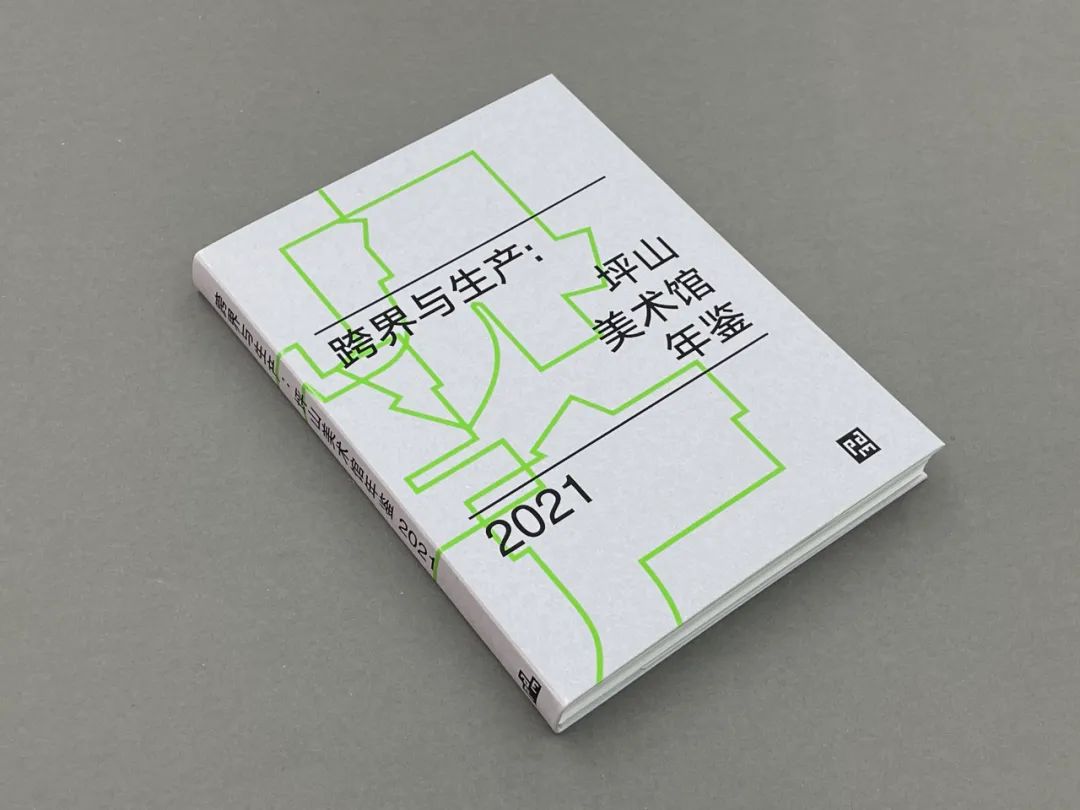
跨界与生产:坪山美术馆年鉴2021
出版:坪山美术馆
主编:刘晓都 钟刚
策划编辑:打边炉(梁丹如)
翻译:贺潇(Fiona He) Nelson Wattie
编辑:坪山美术馆典藏研究部(唐煜婷 燕明明 张筱曜 李子莹)
校对:梁丹如 劳秀汶 卢杨丽 李耀 唐煜婷 燕明明 张筱曜 李子莹 毕竞 甘嘉馨 于文佳 罗靖 李语湉 骆昱彤 许栩 马嘉慧 韩冰 陈思敏 邱盈盈 曾艺
平面设计:huangyangdesign(黄扬 张永 吴诗怡)
承印:雅昌文化(集团)有限公司
开本:787mm×1092mm
印张:19印张
印数:1,000册
版次:2023年5月第1版第1次印刷
Cross-Discipline and Production: Pingshan
Art Museum Almanac 2021
Publish: Pingshan Art Museum
Chief Editors: Liu Xiaodu, Zhong Gang
Curatorial Editor: ARTDBL (Liang Danru)
Translators: Fiona He, Nelson Wattie
Editors: Collection and research
department, Pingshan Art Museum (Tang Yuting, Zhang Xiaoyao, Yan Mingming, Li
Ziyin)
Proofreader: Tang Yuting
Design: huangyangdesign (Huang Yang, Zhang
Yong, Wu Shiyi)
Printing: Artron Art (Group) Co., Ltd.
Format: 787mm×1092mm
Sheets: 3.25 sheets
Printing: 1,000
Edition: May 2023 1st Edition 1st Printing
相关文章

刘晓都:什么是一个好的艺术机构?

美术馆的基础设施与武功秘笈
文章版权归深圳市打边炉文化发展有限公司所有,未经授权不得以任何形式转载及使用,违者必究。转载、合作及广告投放请联系我们:info@artdbl.com,微信:artdbl2017,电话:0755-86549157。

-
阅读原文
* 文章为作者独立观点,不代表数艺网立场转载须知
- 本内容由数艺网主动采集收录,信息来源为 “打边炉ARTDBL” 公开网络发布内容。第三方如需转载本内容,必须完整标注原作者信息及 “来源:数艺网”,严禁擅自篡改、删减或未标注来源转载。 并附上本页链接: 若您的内容不希望被数艺网收录,或认为此举侵犯了您的合法权益,敬请通过微信 ID:d-arts-cn 联系数艺网。我们将致以诚挚歉意,并第一时间为您办理下架或删除处理。
-

-
深圳
甲方 · 垂直媒体
未认证的机构号
最近发布
-
10-26
-
10-24