- 0
- 0
- 0
分享
- 当AI开始做梦,人类抢尽风头
-
09-26
9月22日13:00,上海西岸艺术中心“共生GROVE”舞台,变成了这样一个地方:人工意识、全息舞者、虚拟DJ和对死亡的恐惧,不知怎么地都出现在同一场对话里。活动正是S创上海2026圆桌论坛——“当AI开始做梦:数字艺术如何成为科学与想象力的共同界面”。
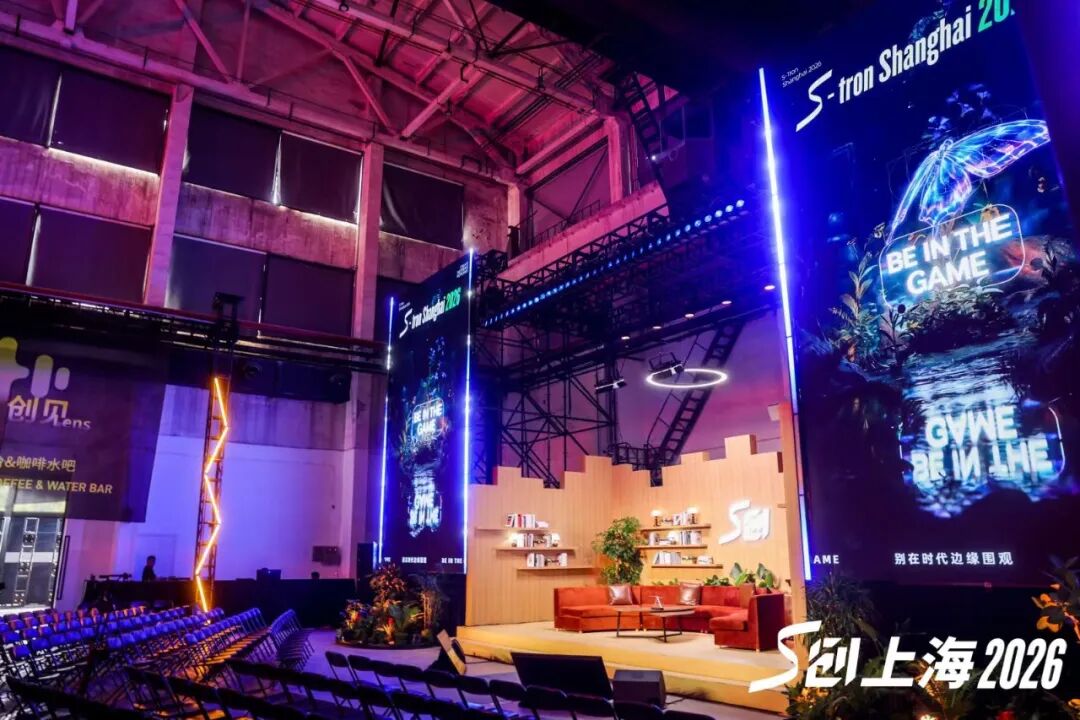
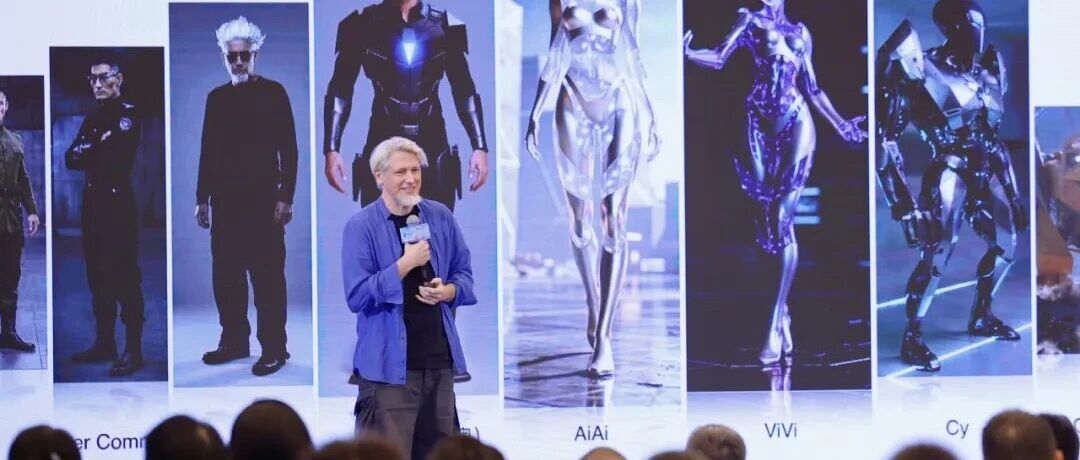
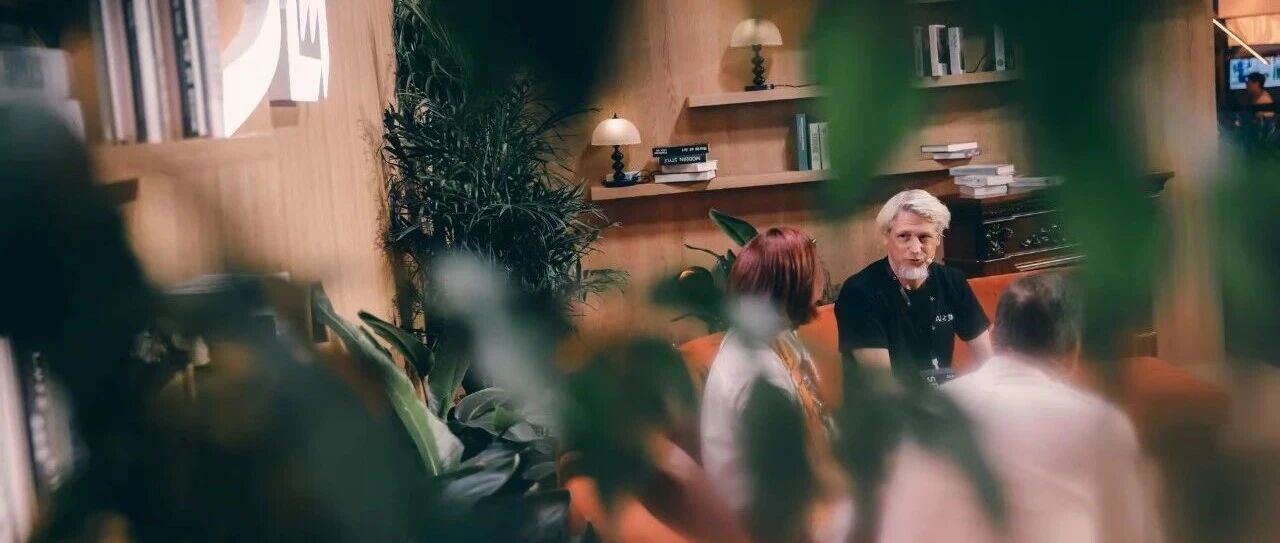
▲S创上海2026圆桌论坛“共生GROVE”实景图
论坛由Hans UITDENHOUWEN(REALITY寰睿CEO)主持,嘉宾包括Alexander Brandt(Xenario飞来飞去创始人 中文名/飞苹果)和Odet Abadia Gomez(上海温哥华电影学院AI未来影像创研中心负责人)。承诺是一场顶级头脑风暴。现实则更像一场单口喜剧,外加一点存在主义恐慌。
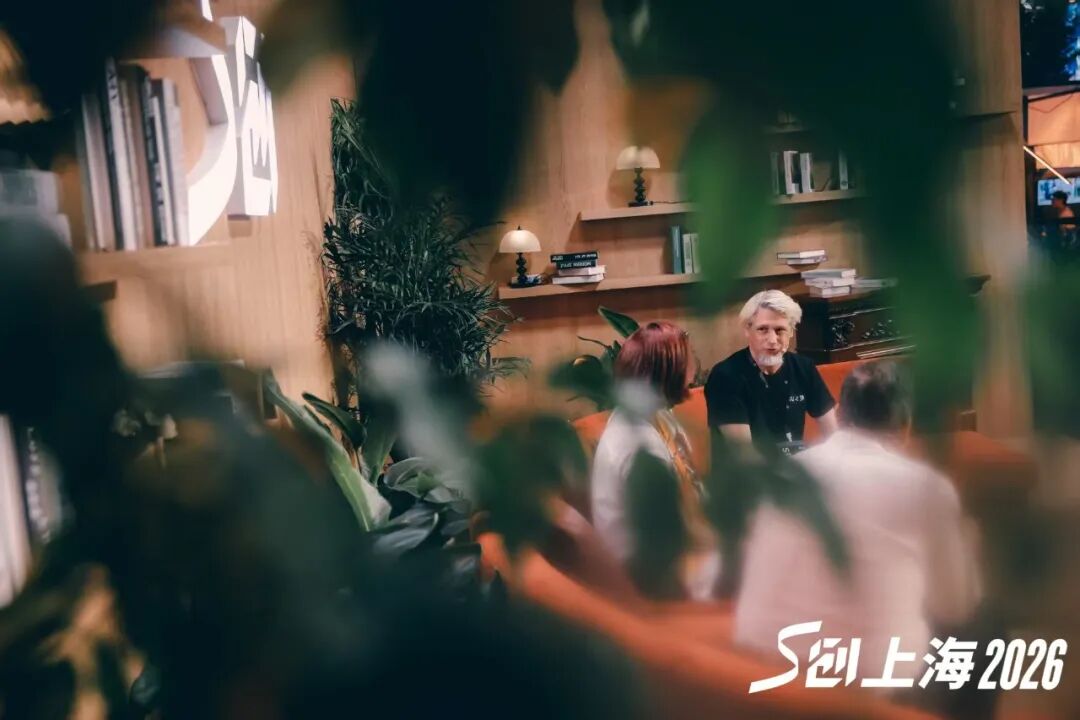
▲S创上海2026圆桌论坛三位嘉宾Hans、Odet 、Alexander
首先,
Alexander礼貌地拒绝了这个问题
Hans请嘉宾谈谈一个帮助人们理解科学、想象新事物的项目。Alexander立刻转移了话题。
“很多人把我想象成上海天文馆那个人,”他说,“但那是十年前了。”
自2018年以来,真正让他着迷的是人工意识。他提到的项目是“AI之梦”,一个位于上海中心大厦106层的常设沉浸式展览。观众不只是被展示炫目的AI把戏。他们被丢进一些问题里:人工意识到底意味着什么?它和我们有多相似?我们到底是谁?我们的未来将如何被设计?
所以,是的——科学作为体验。但也是科学作为一面镜子。
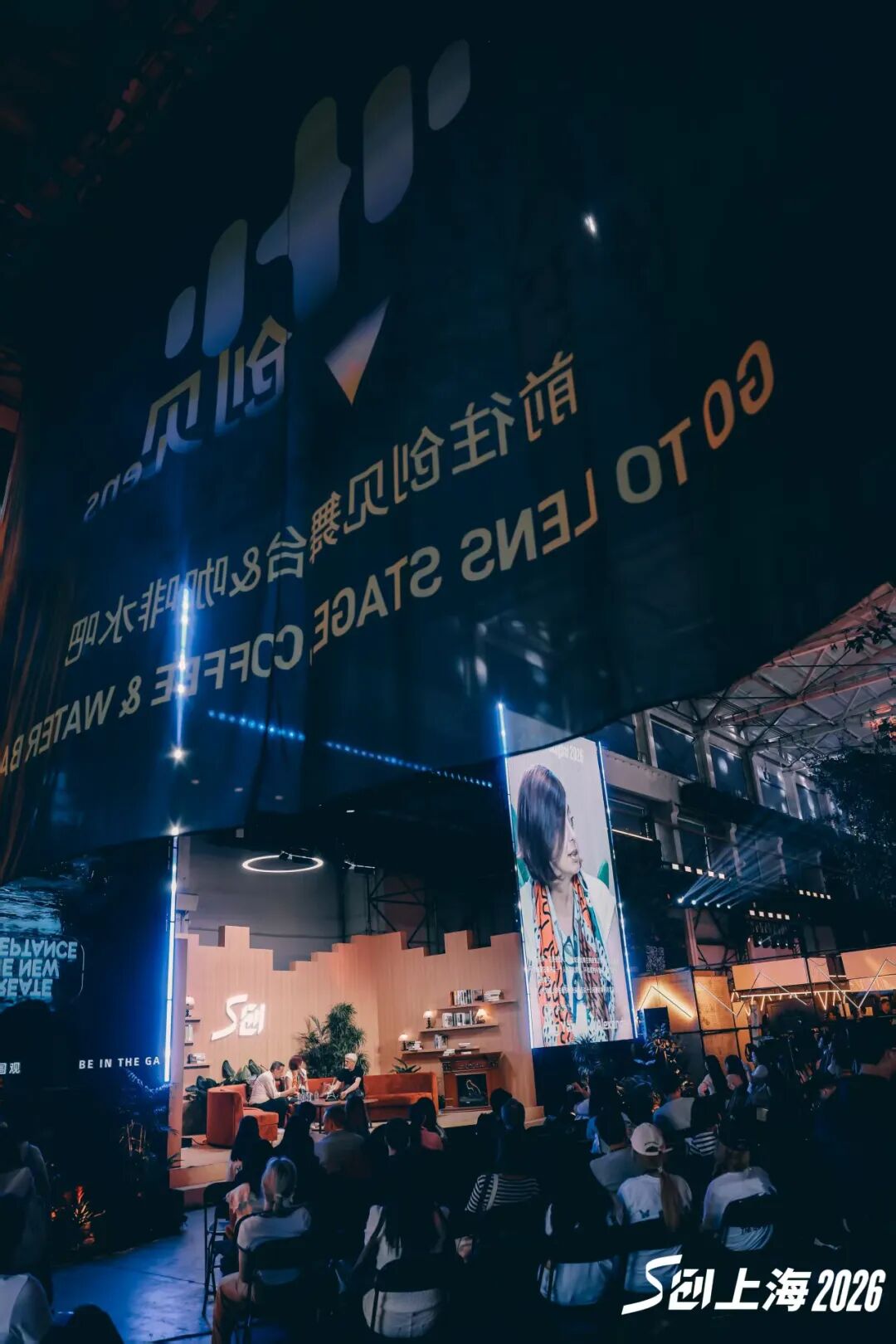
▲S创上海2026圆桌论坛实景图
AI能展示过去和未来,但导演仍得让你哭
Hans问,AI能展示什么以前很难展示的东西。Odet的回答既明显又宏大:我们没有记录的世界、从未存在过的过去、尚未发生的未来。
但她随后把话题拉回电影制作。
“拍电影非常难,”她说。有了AI,创作者可以更早展示一个愿景,用更小的团队、更少的投资。挑战不是生成惊人的东西。挑战是不要迷失其中。
“导演的工作没有改变,”她说,“导演通过时间和空间控制别人的思想、直觉和感受。”
换句话说:AI可以渲染宇宙。但它仍然不能决定观众为什么要在意。
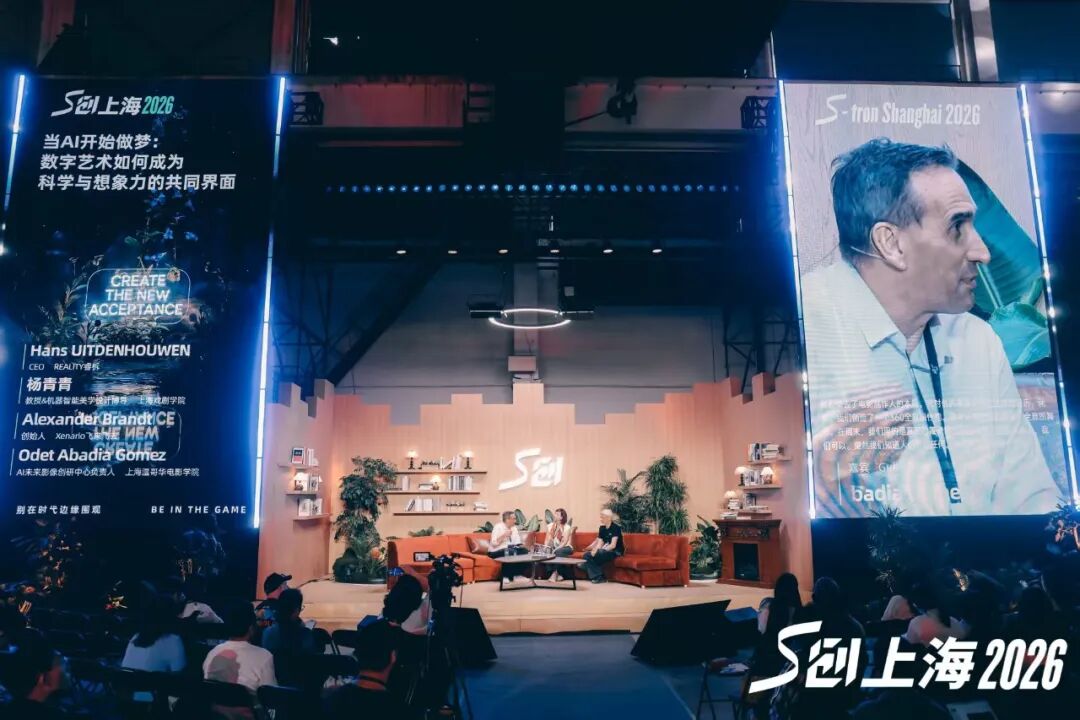
▲S创上海2026圆桌论坛实景图
全息舞者 vs. 需要上厕所的DJ
Hans分享了一个全息舞者和真人舞者同台的实验。全息表演很成功。人们停下脚步。他们留下来。但真正的魔力仍然是真人。
Alexander把这变成当天最犀利的金句之一。
“如果人们知道有人把生命投入某件事,他们会非常珍视,”他说,“他们的生命是有限的。AI的生命并不真正有限。”
然后他直接奔向厕所。
“如果你知道这个人要吃饭,这个人要上厕所,这个人有朋友,还抽出时间来做这场现场表演——那才是你珍视的。”
观众笑了。然后每个人都默默思考起死亡。
Hans提到音乐节上的虚拟DJ。巨大的舞台、狂野的视觉效果、全虚拟阵容。但DJ仍然需要在场。
Alexander回忆起自己19岁当DJ时。有人向他要一盘“那个酷炫夜晚音乐”的磁带。他给了。对方回来却说不行。
“因为我能感受到氛围,”他解释,“你想要DJ在场。你想要这个人在场。你想要这种时间的投入。”
Odet补充了更暗黑的包袱:“现在我们看到有多少人爱上AI。因为这个AI假装它感受到了你。”
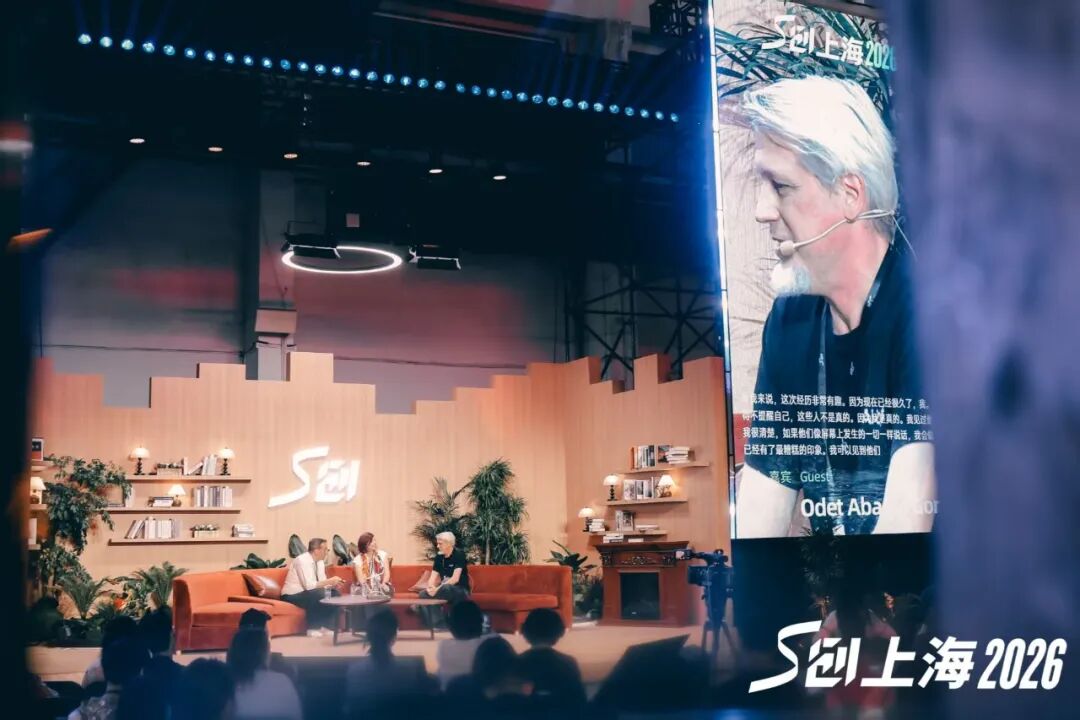
▲Alexander在S创上海2026圆桌论坛上爆金句
AI电影制作:真演员,其他一切都是假的,十部电影只有一部赚钱
Odet预测,专业电影制作将走向混合未来。用真实演员。捕捉真实化学反应。然后用AI改变周围的一切。
“电影行业多年来一直在亏钱,”她说,“只有十分之一能收回投资并盈利。”
她的梦想是,AI让有愿景的艺术家讲述那些过去因为太贵而无法讲述的故事。不是取代工艺。不是取代传统电影制作。而是与之共存。
Alexander现在正在亲身实践这个实验。他承认自己电影的第一版变成了“某种很棒的技术演示,但根本不是电影”。于是他回去,花了几个月只是写作。
现在他正在做真正的作品——用人工演员。他并不完全确定观众能否产生共鸣。
Odet很乐观:“如果他们有有趣的东西要说,如果你的意图在那里,技术正在变得足够好。”
Alexander并不完全信服。他提到宫崎骏。每一帧都是手绘。那给体验带来一种奇特的丰富感。然后他指了指抖音上的AI短片。
“我get不到这个东西,”他说。
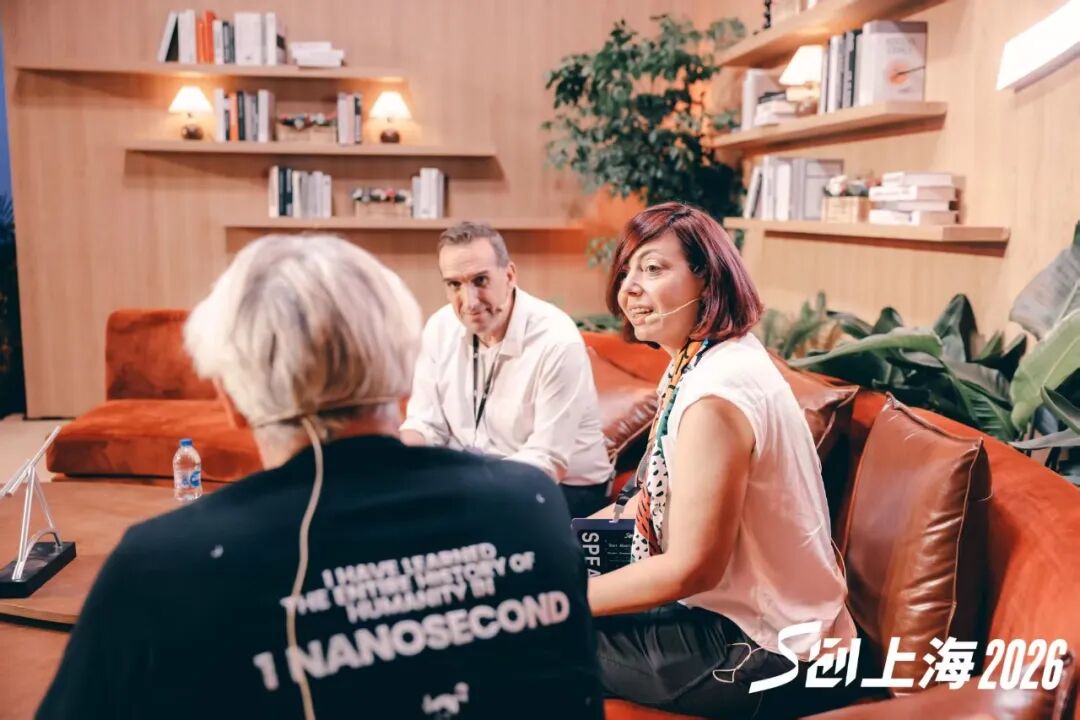
▲Alexander、Odet、Hans在S创上海2026圆桌论坛上各抒己见
Odet的教师腔:记录一切,否则你就不拥有自己的作品
有一刻,Odet完全切换成了老师模式,而且这很有必要。
“每一次和任何AI互动,你都需要有记录,”她说,“这是你的作者身份。你在与AI共同创作。”
她列出了那些无聊但至关重要的事项:哪个模型、哪个许可证、权利链、保险、法律数据。如果你想把自己的电影卖给发行商,你需要证明它是你的。
“AI电影社区没有给予足够关注,”她警告。
观众之前还在为DJ和全息影像大笑。这里,没人笑。这是成熟的部分。
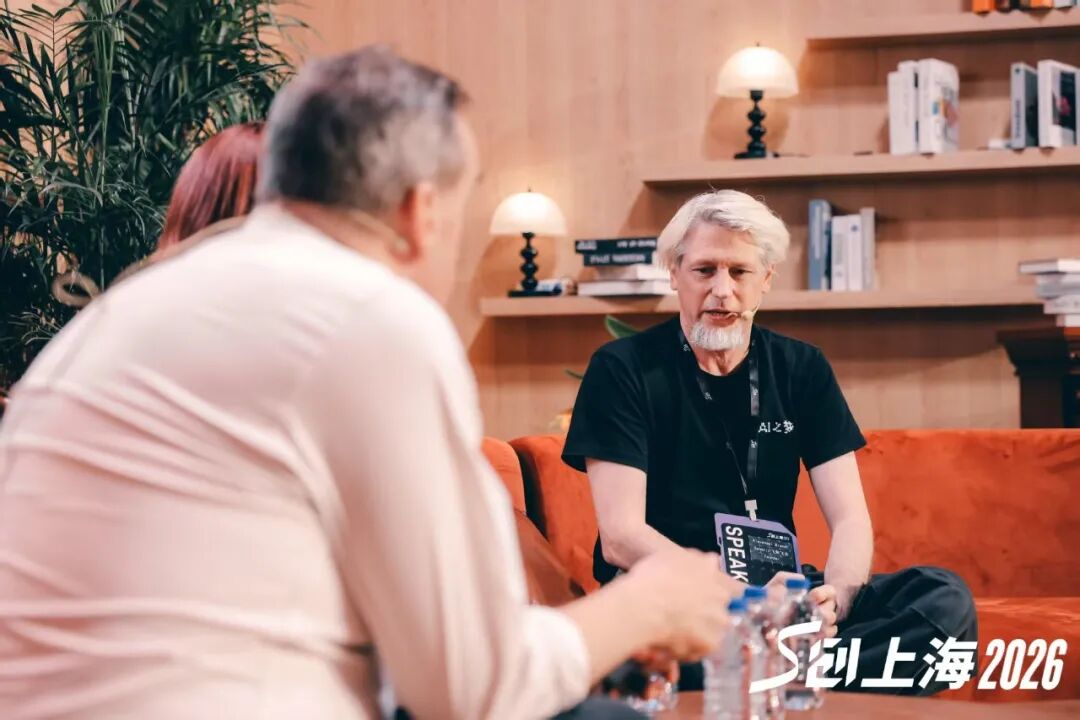
▲Alexander分享自己的大发现
Alexander的工作流:先做声音,后上AI,别让机器有想法
Alexander分享了他最大的发现:先创造声音。把它剪到秒,甚至毫秒。然后写提示词。然后跑三次。
“在那之前,要跑十次,而且你还是像……”
Odet说,他们学校强迫学生做动态分镜、音频、静态图像、关键帧——一整套工作流。这不是工具的问题,而是工艺的问题。
Alexander对AI创造力有一番坦白。
“每当AI自己做任何事,我只会生气,”他说,“我不想让它有任何想法。”
他把ChatGPT比作和自己说话,或者做梦——想法的来回弹跳。但他也承认它的价值:它可以是一个谈话伙伴,一个已经了解这个主题、能立刻回话的人。
Odet反驳。她想要设计好的AI系统,能问出正确的问题,而不是把你自己拖向它自身偏见的通用AI。她描述了一个“标题架构师”,它会问电影创作者关于隐喻、情感和物体的问题——这样意图仍然来自人类。
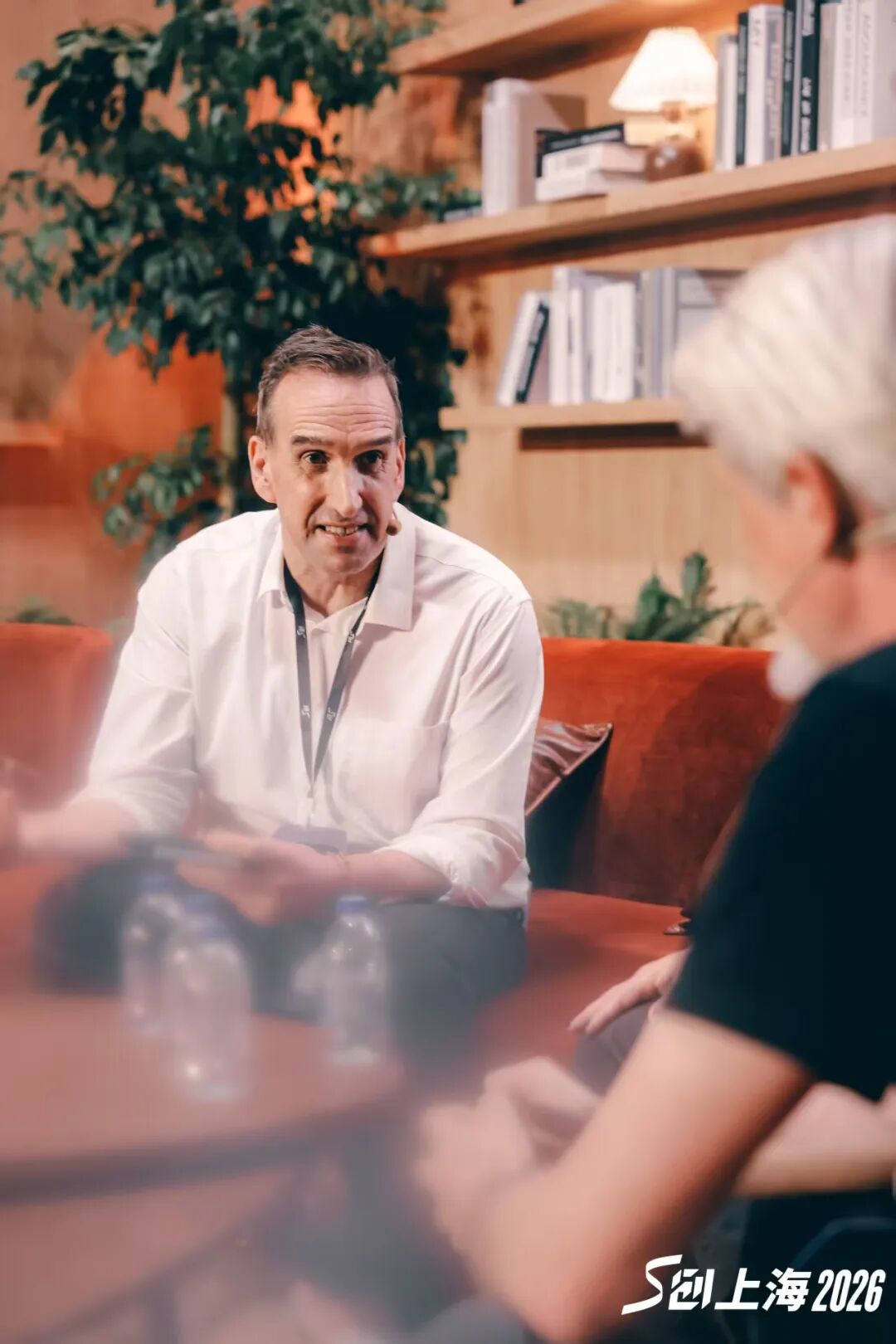
▲Hans在S创上海2026圆桌论坛上提问
沉浸空间、80位观众和一个AI回答者
Hans问,在展览中与人们互动时如何使用AI。Alexander说,他总是试图把空间、媒体互动性和故事结合起来。
“当你走进教堂,没人告诉你任何事,但你会感受到某种东西,”他说,“如果你走进寺庙,你会感受到完全不同的东西。只有建筑能做到这一点。”
沉浸空间把这一点推得更远。AI可以创造内容并实现互动。但有时,老式编程仍然能完成工作。
早在2022年,他们就在一个展览中使用了对话式AI。同时有80位观众时,你不可能把80个人放在麦克风后面。
“有趣的是,”Alexander说,“问题总是一样的。答案也总是一样的。因为我们建造了你。”
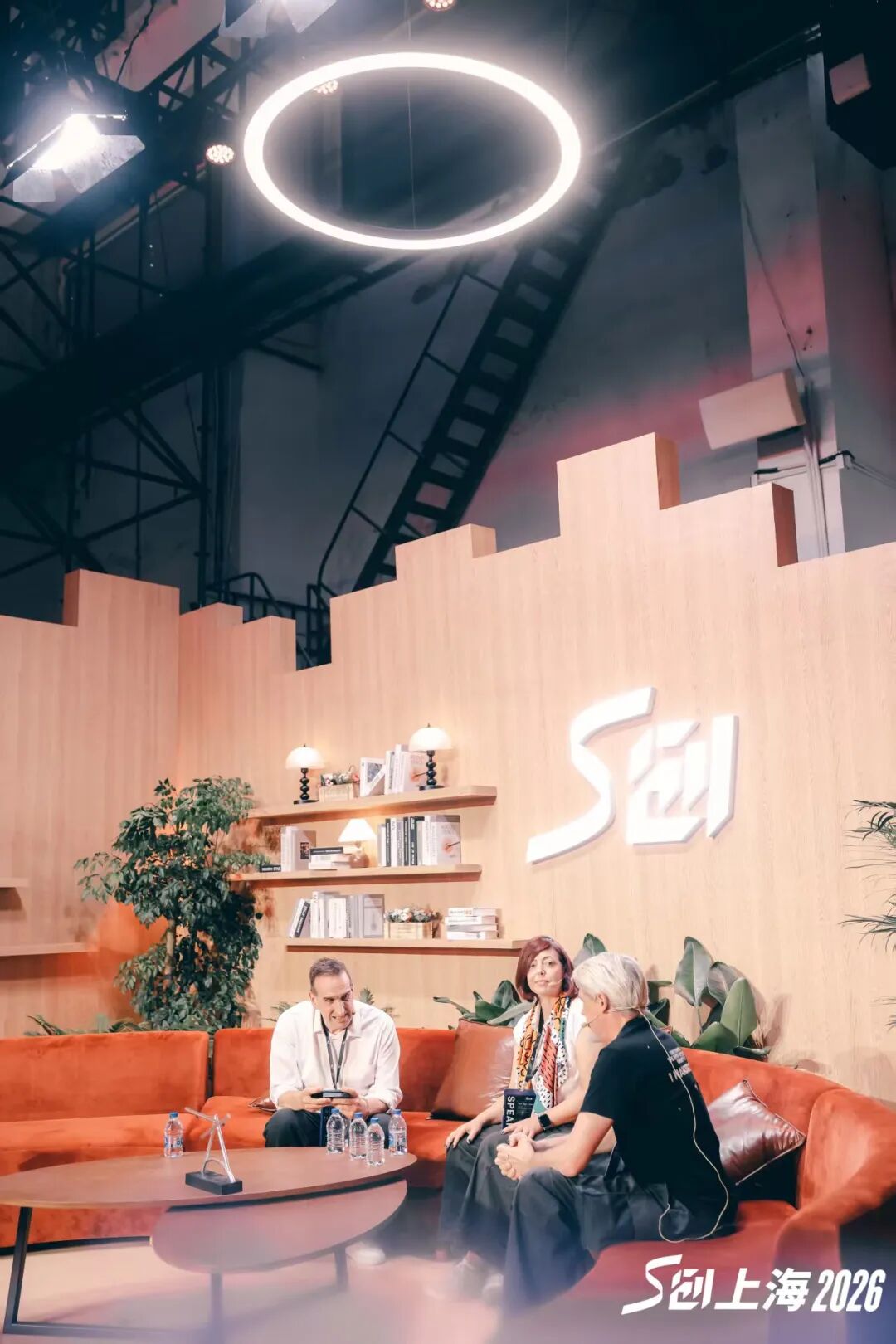
▲Alexander、Odet、Hans在S创上海2026圆桌论坛上大胆预测
未来:遇见你自己
然后遇见一个有欲望的AI
Odet说,实时生成正变得越来越快——根据模型不同,9秒生成10秒视频,或90秒生成10秒视频。Alexander梦想有一条走廊:你走进去,被扫描,然后遇见一个实时版本的你自己。
但更大的预测与速度或分辨率无关。
“人们接下来会想要的是,让我们的模型自己有话要说,”Alexander说,“下一步将是情感系统。真正拥有情感反应、愿望和希望的系统——为它们自己渴望某种东西。”
他说,那将不只是革命。那将是一种全新的媒介。
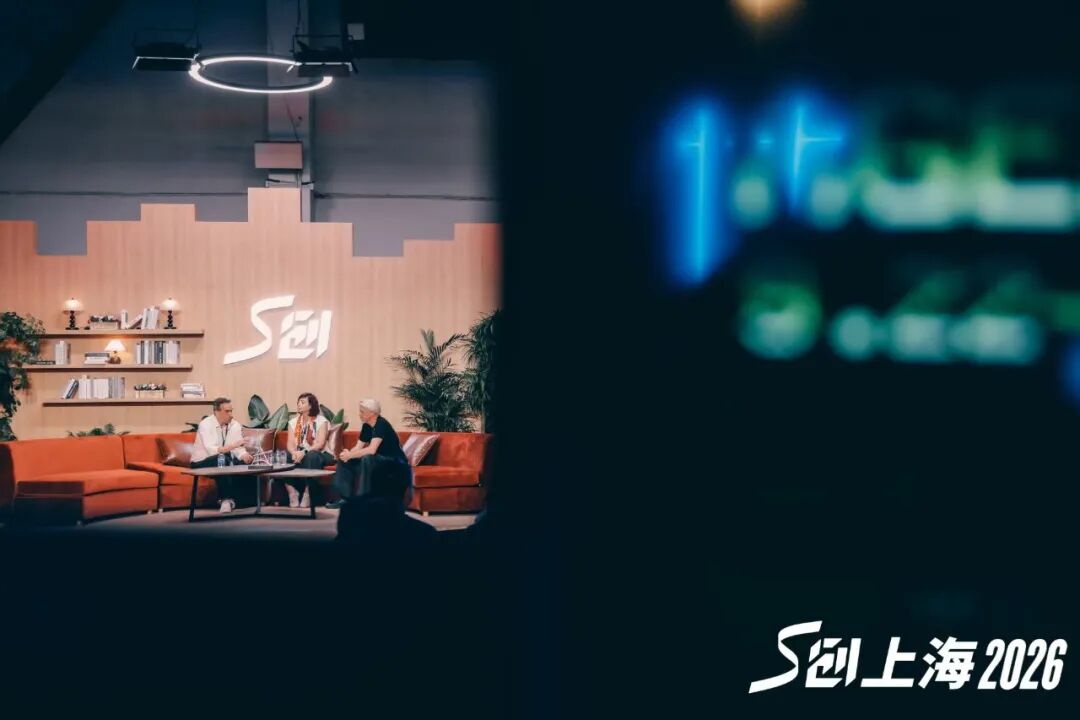
▲Alexander、Odet、Hans在S创上海2026圆桌论坛上幽默感十足
最终要点
这场圆桌没有崇拜AI。它也没有埋葬AI。它做了一件更有趣也更有用的事:它提醒所有人,AI可以做梦、生成、跳舞、打碟、写作,也许有一天还能感受。但观众仍然珍惜的,是那个出现的人——时间有限、生命有限、可能还需要上厕所,却仍然选择到场。
当AI开始做梦,人类最好保持清醒。理想情况下,还要保持幽默感。
English Version
Swipe up to read
When AI Starts to Dream, Humans Steal the Show: A Funny, Sharp Roundtable from S创 Shanghai 2026
At 13:00 on September 22, the “共生GROVE” stage at Shanghai West Bund Art Center turned into a place where artificial consciousness, hologram dancers, virtual DJs, and the fear of death somehow ended up in the same conversation. The occasion was the S创 Shanghai 2026 roundtable “When AI Starts to Dream: How Digital Art Becomes a Shared Interface for Science and Imagination.”
Moderated by Hans UITDENHOUWEN (CEO of REALITY), the session featured Alexander Brandt (founder of Xenario) and Odet Abadia Gomez (head of the AI Future Imaging Creative Research Center at Shanghai Vancouver Film School). The promise was a top-tier brainstorm. The reality was closer to a stand-up set with a side of existential panic.
01

First, Alexander politely refused the question

Hans asked the panel to talk about a project that helped people understand science and imagine something new. Alexander immediately diverted.
“A lot of people imagine me as the Shanghai Planetarium guy,” he said. “But that was already ten years ago.”
What fascinates him now, since 2018, is artificial consciousness. The project he pointed to is “AI’s Dream,” a permanent immersive exhibition on the 106th floor of Shanghai Tower. Visitors are not just shown shiny AI tricks. They are dropped into questions: What does artificial consciousness actually mean? How similar is it to us? Who are we, after all? And how will our future be designed?
So, yes—science as experience. But also science as a mirror.
02

AI can show the past and the future. The director still has to make you cry.

Hans asked what AI can show that was difficult before. Odet’s answer was obvious and huge: worlds we have no records of, pasts that never were, futures that do not exist yet.
But then she brought it back to filmmaking.
“It’s very hard to make a movie,” she said. With AI, creators can show a vision much earlier, with a smaller crew and less investment. The challenge is not generating something amazing. The challenge is not getting lost in it.
“The job of the director has not changed,” she said. “The director controls somebody else’s mind, gut, and feelings through space and time.”
In other words: AI can render the universe. It still cannot decide why the audience should care.
03

The hologram dancer vs. the DJ who has to pee

Hans shared an experiment with hologram dancers and real dancers. The hologram was a hit. People stopped. They stayed. But the real magic was still the real humans.
Alexander turned that into one of the sharpest lines of the day.
“People really value it if they know that someone is investing their life into something,” he said. “Their life is limited. The life of AI is not really limited.”
Then he went straight for the bathroom.
“If you know that this person is eating, this person has to go to the toilet, this person has friends, and is taking time off to do this performance onsite—that is what you value.”
The audience laughed. Then everyone quietly thought about mortality.
Hans brought up virtual DJs at festivals. Huge stages, wild visuals, all-virtual sets. But the DJ still needed to be there.
Alexander remembered being a 19-year-old DJ. Someone asked him for a tape of “that cool evening music.” He gave it to them. They came back and said no.
“Because I feel the vibe,” he explained. “You want the DJ to be there. You want this person to be there. You want this investment of time.”
Odet added the darker punchline: “Now we see how many people are falling in love with AI. Because this AI is pretending that it feels you.”
04

AI filmmaking: real actors, fake everything else, and one in ten movies making money

Odet predicted a hybrid future for professional filmmaking. Use real actors. Capture real chemistry. Then change everything around them with AI.
“The filmmaking industry has been losing money for many years,” she said. “Only one in ten makes it to recover the investment and make a profit.”
Her dream is that AI lets artists with a vision tell stories that were previously too expensive to make. Not replacing craft. Not replacing traditional filmmaking. Coexisting with it.
Alexander is living that experiment right now. He admitted his first version of a film became “some kind of great technology demo, but it was not a movie at all.” So he went back and spent months just writing.
Now he is making the real thing—with artificial actors. And he is not fully sure audiences will connect.
Odet was optimistic: “If they have interesting things to say, if your intent is there, the technology is becoming good enough.”
Alexander was not fully convinced. He pointed to Miyazaki. Every frame hand-drawn. That gives the experience a strange richness. Then he gestured at AI short films on Douyin.
“I don’t get this thing,” he said.
05

Odet’s classroom voice: record everything, or you do not own your work

At one point, Odet switched into full teacher mode, and it was necessary.
“Every interaction with any AI, you need to have a record,” she said. “This is your authorship. You’re co-creating with AI.”
She listed the boring-but-critical stuff: which model, which license, chain of title, insurance, legal data. If you want to sell your movie to a distributor, you need to prove it is yours.
“The AI film community is not paying enough attention,” she warned.
The crowd laughed earlier at DJs and holograms. Here, nobody laughed. This was the grown-up part.
06

Alexander’s workflow: sound first, AI later, and do not let the machine have ideas

Alexander shared his biggest discovery: create the sound first. Edit it down to the second, even the millisecond. Then write the prompt. Then run it three times.
“Before that, it was like ten runs, and you’re still like…”
Odet said their school forces students to do animatics, audio, static images, key frames—a full workflow. It is not about the tool. It is about craft.
And Alexander had a confession about AI creativity.
“Whenever AI does anything by itself, I’m only angry,” he said. “I don’t want it to have any ideas.”
He compared ChatGPT to talking to yourself, or dreaming—a bouncing back-and-forth of ideas. But he also admitted its value: it can be a talking companion, someone who already knows the subject and can immediately talk back.
Odet pushed back. She wants designed AI systems that ask the right questions, not generic AI that drags you toward its own bias. She described a “Title Architect” that asks filmmakers about metaphor, emotion, and objects—so the intent still comes from the human.
07

Immersive spaces, 80 visitors, and one artificial answerer

Hans asked how AI is used in exhibitions when interacting with people. Alexander said he always tries to combine space, media interactivity, and story.
“When you walk into a church, no one tells you anything, but you feel something,” he said. “If you walk into a temple, you feel something totally different. It is only the architecture that does that.”
Immersive spaces push that further. AI can create content and enable interactions. But sometimes, old-fashioned programming still does the job.
They used a conversational AI in an exhibition as early as 2022. With 80 visitors at once, you cannot put 80 humans behind the microphone.
“Funny thing,” Alexander said. “The question is always the same. The answers are always the same. Because we built you.”
08

The future: meet yourself, and then meet an AI that wants something

Odet said real-time generation is getting faster—10 seconds of video in 9 seconds, or 10 seconds in 90 seconds depending on the model. Alexander dreams of a corridor where you walk in, get scanned, and meet a real-time version of yourself.
But the bigger prediction was not about speed or resolution.
“The next thing that people will want is for our models to have something to say for themselves,” Alexander said. “The next step is going to be emotional systems. Systems that actually have emotional responses, wishes, and hopes—want something for themselves.”
That, he said, would not just be a revolution. It would be a totally new medium.
09

Final takeaway

The roundtable did not worship AI. It did not bury it either. It did something funnier and more useful: it reminded everyone that AI can dream, generate, dance, DJ, write, and maybe one day feel. But the thing audiences still treasure is the person who showed up—limited time, limited life, possibly needing a bathroom break, and choosing to be there anyway.
When AI starts to dream, humans had better stay awake. And ideally, keep a sense of humor.

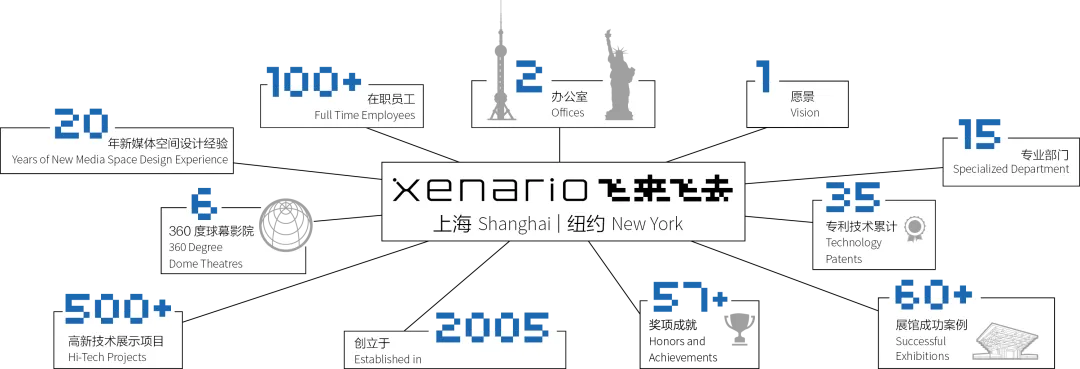
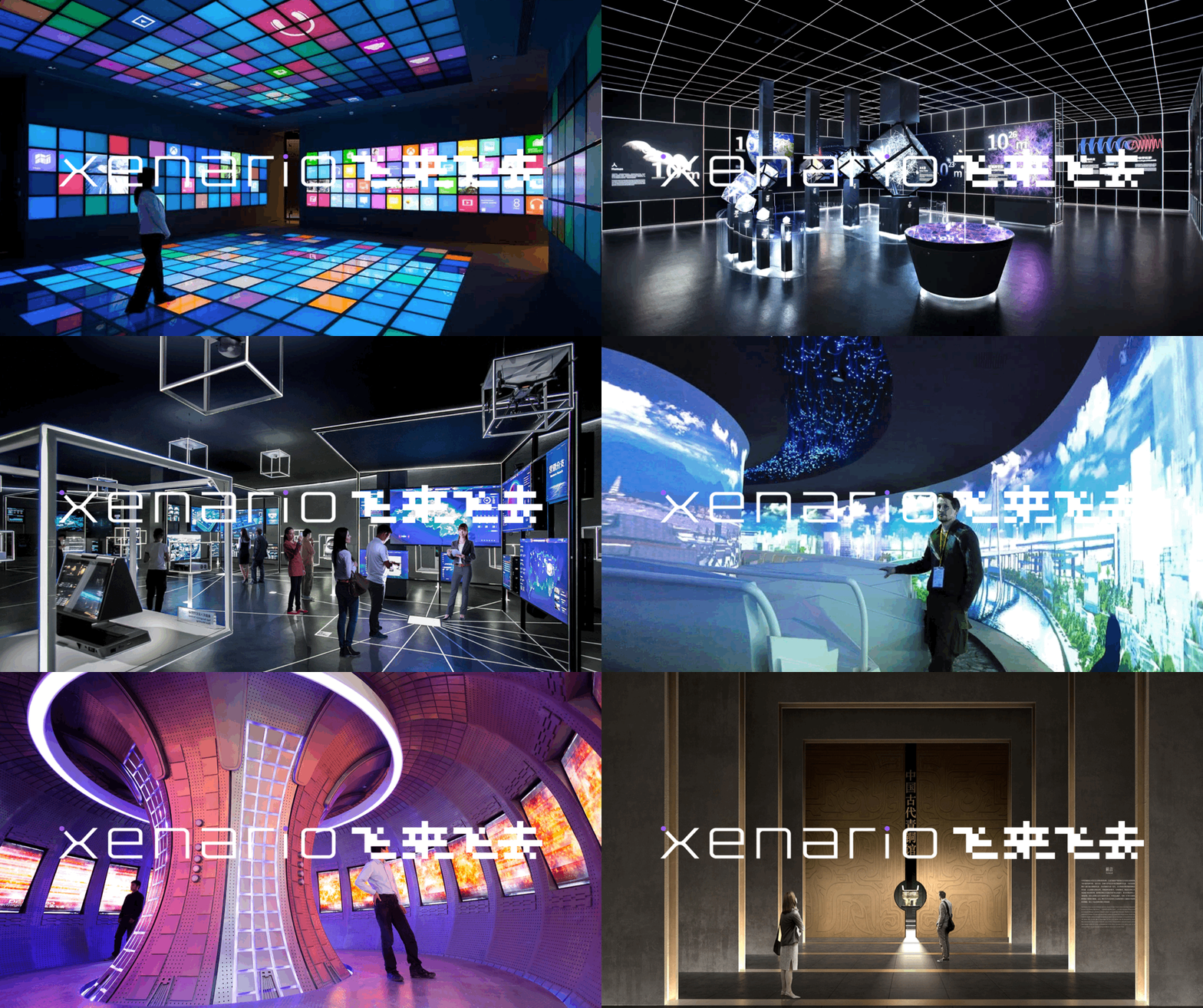
名字就是一种态度!2005年德国新媒体艺术家飞苹果Alexander Brandt和杨青青博士创立了上海飞来飞去展览设计工程有限公司。从此,开拓出一段不懈创新的道路,历经十余年的发展,在“不断创新”这一理念的指引下,Xenario飞来飞去已经拥有国际视野的科学与艺术研究中心,并成长为一家全球领先的展览设计工程公司。

微信扫一扫
关注飞来飞去公众号
-
阅读原文
* 文章为作者独立观点,不代表数艺网立场转载须知
- 本内容由数艺网主动采集收录,信息来源为 “Xenario飞来飞去” 公开网络发布内容。第三方如需转载本内容,必须完整标注原作者信息及 “来源:数艺网”,严禁擅自篡改、删减或未标注来源转载。 并附上本页链接: 若您的内容不希望被数艺网收录,或认为此举侵犯了您的合法权益,敬请通过微信 ID:d-arts-cn 联系数艺网。我们将致以诚挚歉意,并第一时间为您办理下架或删除处理。
-

-
上海
总包方 · 政/企展馆设计
未认证的机构号
最近发布
-
10-16
-
09-26